Packaging plays a critical role in the export of betel nut. Beyond simply containing the product, proper packaging ensures quality preservation, compliance with international standards, and protection during long-distance transportation.
For exporters in Indonesia, understanding packaging standards is essential to meet buyer expectations and avoid issues such as moisture damage, contamination, or shipment rejection.
This guide explains the key packaging standards, materials, methods, and best practices for exporting betel nut safely and professionally.
Why Packaging Matters in Betel Nut Export
Betel nut is a natural agricultural product that is highly sensitive to environmental conditions. Without proper packaging, the product can deteriorate quickly during transit.
Key risks include:
- Moisture absorption leading to mold
- Physical damage due to pressure or handling
- Contamination from dust or foreign materials
- Weight inconsistency affecting trade agreements
Proper packaging helps to:
- Maintain product quality and grading
- Extend shelf life
- Ensure compliance with import regulations
- Improve buyer trust and brand reputation
Common Packaging Materials for Betel Nut Export
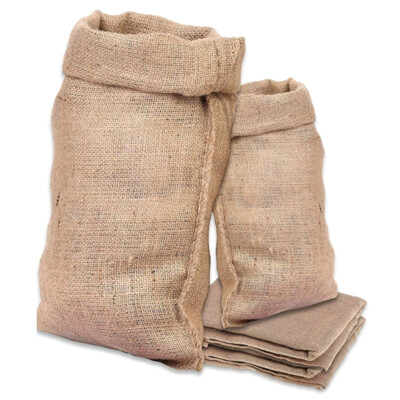
1. Jute Bags (Gunny Bags)
Jute bags are widely used for bulk export due to their durability and breathability.
Advantages:
- Allows air circulation
- Cost-effective for large volumes
- Environmentally friendly
Considerations:
- Not fully moisture-proof
- Requires dry storage conditions
2. Polypropylene (PP) Woven Bags
PP bags are increasingly preferred for international trade due to their strength and resistance to moisture.
Advantages:
- Strong and tear-resistant
- Better protection against humidity
- Suitable for long-distance shipping
Common Specification:
- Capacity: 60 kg – 70 kg per bag
- Laminated or non-laminated options
3. Inner Plastic Lining
To enhance protection, many exporters use plastic liners inside jute or PP bags.
Function:
- Acts as a moisture barrier
- Reduces risk of contamination
- Maintains product dryness
Standard Packaging Sizes and Weight
In global trade, consistency is essential. The most commonly used packaging standards include:
- 50 kg per bag (standard international preference)
- 60 kg / 70 kg per bag (depending on buyer request)
Important considerations:
- Weight must be consistent across all bags
- Overloading can lead to tearing and rejection
- Underweight shipments may affect trust and pricing
Moisture Control and Ventilation
One of the most critical factors in betel nut packaging is moisture control.
Ideal Conditions:
- Moisture content: typically below 10%
- Stored in dry, ventilated environment
- Avoid direct exposure to rain or humidity
Best Practices:
- Use desiccants in containers if necessary
- Ensure bags are completely dry before filling
- Avoid sealing wet or freshly processed nuts
Labeling and Marking Requirements
Proper labeling is essential for customs clearance and buyer identification.
Standard Information on Packaging:
- Product name: Betel Nut / Areca Nut
- Grade (e.g., 80/85, 90/95)
- Net weight
- Country of origin: Indonesia
- Supplier/exporter name
- Batch or lot number
Clear and consistent labeling helps:
- Avoid confusion during inspection
- Improve traceability
- Strengthen professionalism
Container Loading and Shipping Practices
Packaging is only effective when combined with proper loading techniques.
Recommended Practices:
- Use clean, dry containers
- Line container floors with pallets or kraft paper
- Stack bags evenly to prevent collapse
- Avoid overloading containers
Container Types:
- 20 ft container (commonly used)
- 40 ft container for larger shipments
Compliance with Import Standards
Different countries may have specific import requirements. Exporters should ensure:
- No presence of pests or contamination
- Compliance with phytosanitary regulations
- Proper fumigation if required
- Documentation matches packaging details
Failure to meet these standards can result in:
- Shipment delays
- Additional inspection costs
- Rejection at destination
Best Practices for Exporters
To maintain consistency and professionalism:
- Use standardized packaging across all shipments
- Conduct quality checks before sealing
- Maintain clear communication with buyers
- Document packaging specifications in contracts
Reliable packaging is not just operational—it is part of your brand and credibility in the global market.
Conclusion
Betel nut packaging is a crucial component of successful export operations. By using the right materials, controlling moisture, and following international standards, exporters can protect product quality and ensure smooth delivery.
For Indonesian exporters, adopting proper packaging practices not only reduces risk but also enhances competitiveness in the global market.