Many people use the terms areca nut and betel nut interchangeably, but are they actually the same thing? This question is very common among buyers, importers, and even new readers entering the betel nut industry.
In reality, there is no major botanical difference, but the terms are used differently depending on context, culture, and trade practices.
In this article, we will clearly explain the difference between areca nut and betel nut, including their origin, usage, and role in global trade—especially from Indonesia.
What is Areca Nut?
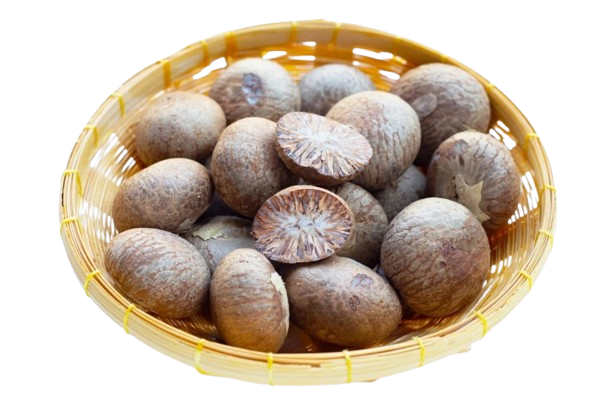
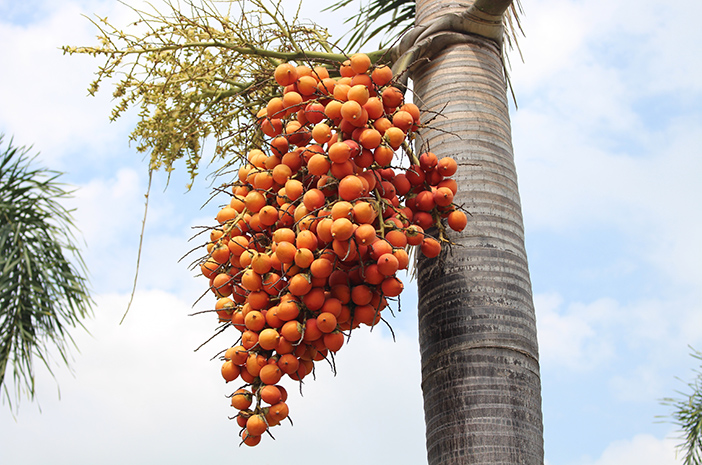
Areca nut is the seed of the Areca palm tree (Areca catechu), which grows widely in tropical regions such as Indonesia, India, Sri Lanka, and Bangladesh.
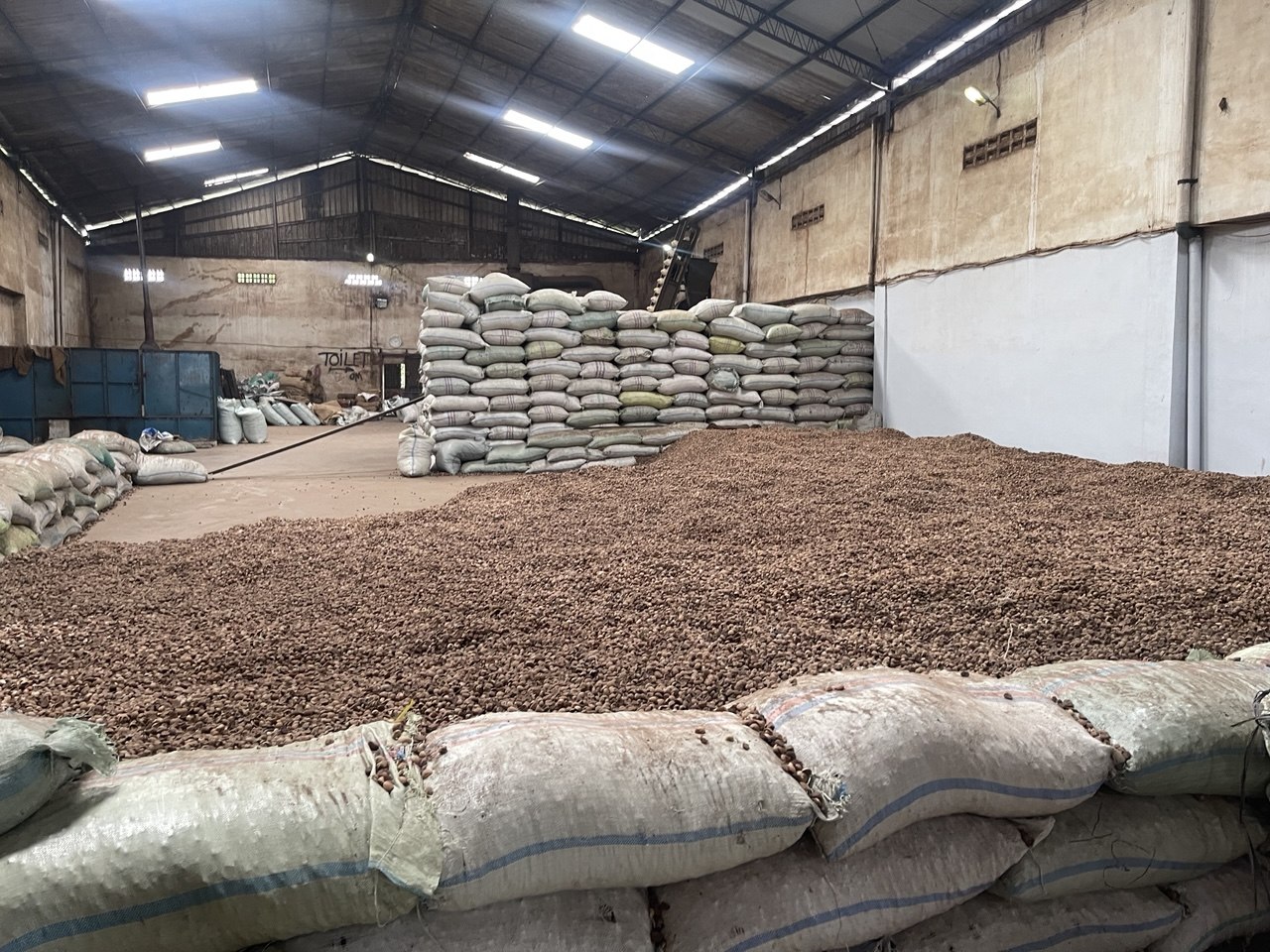
It is typically harvested, dried, and processed into different forms before being traded internationally.
Key Characteristics:
- Scientific name: Areca catechu
- Shape: Oval or round
- Color: Brown to reddish
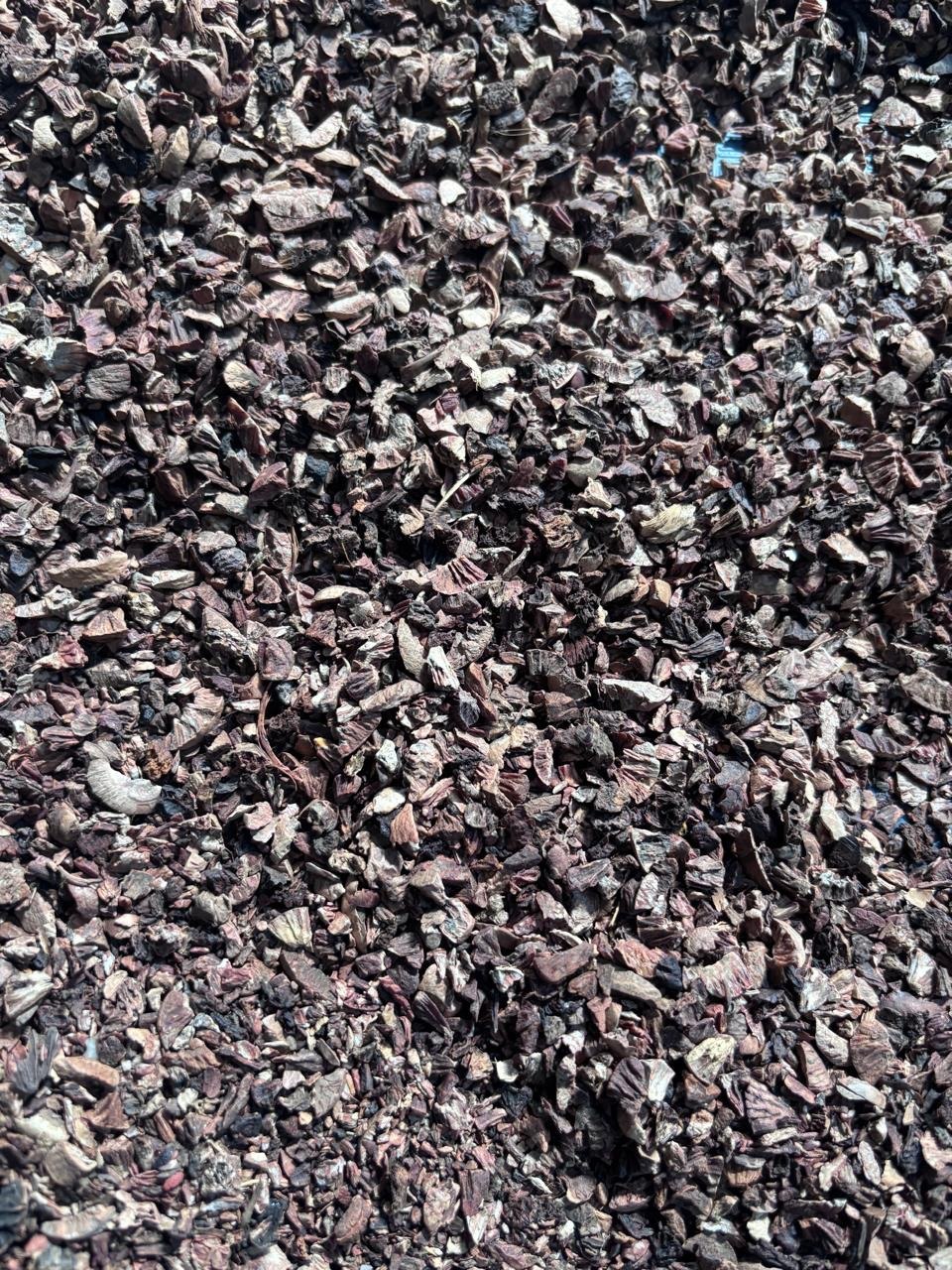
- Forms: Whole, split, boiled, dried
Areca nut is widely used in:
- Traditional chewing practices
- Cultural ceremonies
- Raw material for processing industries
What is Betel Nut?
Betel nut is actually another name for areca nut, but it is commonly used in a different context.
The term “betel nut” comes from the practice of chewing areca nut together with betel leaf, which enhances flavor and stimulant effects.
Important Note:
Betel nut = Areca nut (same seed)
The difference is mainly in how the term is used
Why Do People Call It Betel Nut?
The confusion comes from traditional usage.
In many Asian cultures, especially in India and Southeast Asia, people chew:
- Areca nut
- Wrapped in betel leaf
- Mixed with lime or other ingredients
Because of this combination, the areca nut became widely known as “betel nut”, even though the betel leaf is a completely different plant.
Final Thoughts
Understanding the difference between areca nut and betel nut is essential for anyone involved in the industry, whether you are a buyer, trader, or new to the market. While both terms refer to the same product, their usage varies depending on context—scientific, cultural, or commercial.
For businesses, especially in international trade, using the correct terminology can improve communication, build trust with buyers, and ensure clarity in transactions. Combining both terms strategically—areca nut for formal documentation and betel nut for marketing—can also enhance visibility in global markets.
Indonesia continues to play a significant role as one of the leading suppliers of high-quality betel nut. With various grades and processing methods available, buyers have flexibility in choosing products that meet their specific requirements.
Looking for a Reliable Betel Nut Supplier?
If you are sourcing high-quality betel nut from Indonesia, it is important to work with a supplier who understands grading standards, export procedures, and international quality requirements.
At BetelNut Asia, we provide:
- Consistent quality grading (60/65, 70/75, 80/85, 90/95)
- Various types (whole, split, boiled, dried)
- Export-ready packaging
- Reliable supply and communication
Feel free to contact us for product details, pricing, and export inquiries.