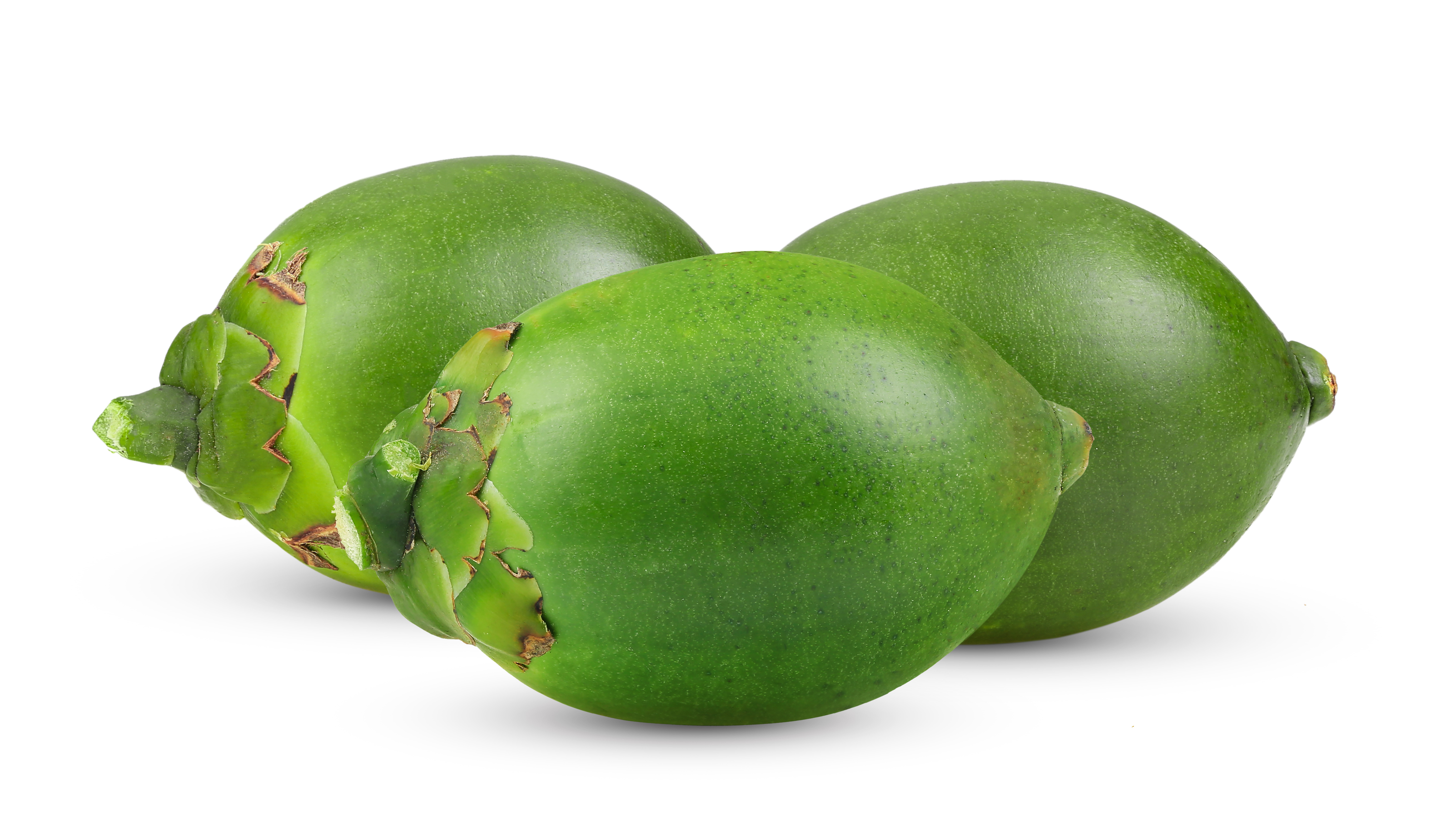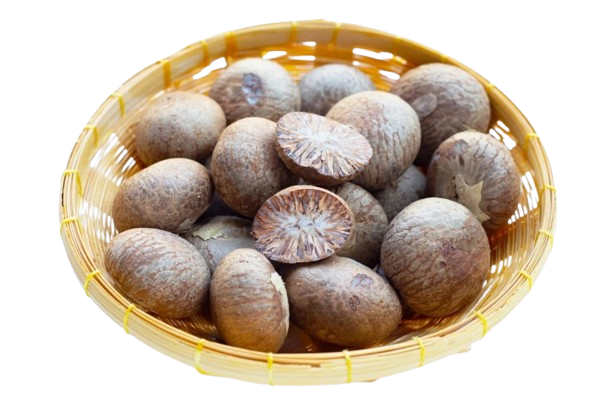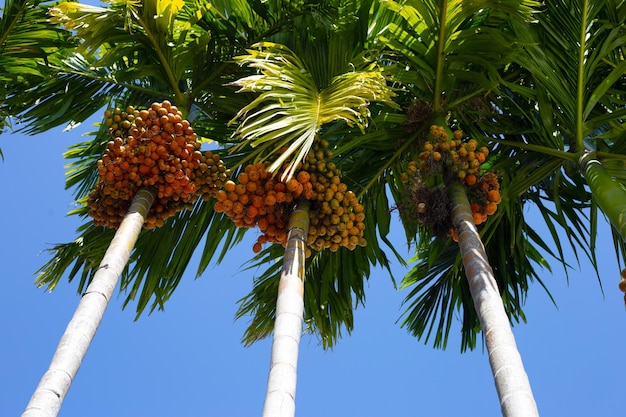
The betel nut (areca nut) industry has long been a cornerstone of agricultural trade across Asia, but in recent years it has entered a new phase of transformation. Driven by increasing global demand, evolving consumer preferences, and improvements in supply chain infrastructure, the future of the betel nut industry is becoming more dynamic and competitive than ever before.
For traders, exporters, and investors, understanding these shifts is essential to staying ahead in the market.
Growing Global Demand and Consumption Patterns
Betel nut consumption remains deeply rooted in cultural traditions, particularly in countries such as India, Bangladesh, Pakistan, and parts of Southeast Asia. These regions account for the majority of global demand, where betel nut is widely used for chewing, social rituals, and traditional practices.
Population growth and stable consumption habits ensure that demand will remain consistent in the long term. In fact, some markets are seeing increased consumption due to urbanization and easier product availability.
Additionally, emerging niche markets outside Asia—driven by diaspora communities—are slowly contributing to global demand expansion. This creates new export opportunities for suppliers who can meet international logistics and quality requirements.
Indonesia’s Strategic Position in the Global Market
Indonesia is one of the leading producers and exporters of betel nut, with strong supply capabilities and competitive pricing. Regions such as Sumatra and Sulawesi play a crucial role in production, supplying both whole and processed betel nut to international markets.
With proper investment in processing, grading, and packaging, Indonesia has the potential to strengthen its position as a top-tier global supplier. Exporters who focus on consistency, documentation, and long-term partnerships will benefit the most.
Shift Toward Value-Added and Processed Products
One of the most important trends shaping the industry is the shift from raw exports to value-added products.
Instead of exporting only whole betel nut, many suppliers are now offering:
- Split betel nut
- Flavored or processed variants
- Graded and size-sorted products
This shift is driven by buyer demand for convenience and ready-to-use products, especially in South Asian markets. Processed products typically command higher prices and better margins, making them an attractive option for exporters.
However, this also requires better quality control, investment in machinery, and standardized processing techniques.
Increasing Importance of Quality Standards
As global trade becomes more competitive, quality is no longer optional—it is a key differentiator.
Buyers are increasingly focused on:
- Moisture content control
- Cleanliness and absence of contaminants
- Uniform grading (e.g., 60/65, 70/75, 80/85)
- Proper drying methods (sun-dried vs machine-dried)
Failure to meet these standards can result in rejected shipments or price reductions. On the other hand, suppliers who maintain consistent quality can secure long-term contracts and premium pricing.
Documentation such as product specifications, lab testing, and export compliance also plays a growing role in building trust with international buyers.
Supply Chain Efficiency and Logistics
Efficient logistics are becoming increasingly important in maintaining competitiveness.
Key factors include:
- Proper packaging to prevent moisture and damage
- Container optimization (20ft / 40ft loading efficiency)
- Reliable shipping schedules
- Cost-effective freight management
Delays or poor handling can significantly impact product quality and buyer satisfaction. As a result, exporters are investing more in supply chain optimization and partnerships with trusted logistics providers.
Key Challenges Facing the Industry
Despite its strong potential, the betel nut industry faces several ongoing challenges:
1. Price Volatility
Fluctuations in supply due to seasonal harvests can impact pricing stability, making it difficult for traders to predict margins.
2. Climate and Environmental Factors
Weather conditions directly affect crop yield and quality. Climate change introduces additional uncertainty in production cycles.
3. Increasing Competition
Other producing countries are also improving their export capabilities, leading to tighter competition in pricing and quality.
4. Regulatory Pressure
Some markets are implementing stricter import regulations, including health and safety standards that exporters must comply with.
Sustainability and Future Considerations
Sustainability is gradually becoming a consideration in agricultural exports, including betel nut.
Buyers are beginning to show interest in:
- Ethical sourcing practices
- Environmentally friendly processing
- Transparent supply chains
While still in early stages, suppliers who adopt sustainable practices early may gain a competitive advantage in the future.
Investment Opportunities in the Betel Nut Industry
For investors and business owners, the industry offers several promising opportunities:
- Establishing processing facilities (splitting, drying, grading)
- Building export-oriented supply chains
- Developing branded products for retail markets
- Expanding into digital trade platforms
With relatively low entry barriers compared to other commodities, betel nut trading remains an attractive sector for growth.
Future Outlook: A Growing but Competitive Market
Looking ahead, the betel nut industry is expected to remain stable with moderate growth driven by consistent demand and expanding trade networks.
Key success factors will include:
- Maintaining high and consistent quality
- Adapting to market trends (processed products)
- Leveraging digital tools for global reach
- Building strong buyer relationships
Indonesia is well-positioned to benefit from these trends, particularly if exporters continue to improve standards and invest in value-added production.
Conclusion
The future of the betel nut industry is promising, but success will depend on how well businesses adapt to change.
Exporters and traders who focus on quality, efficiency, and market understanding will not only survive—but thrive—in this evolving global market.
By aligning with industry trends and continuously improving operations, the betel nut sector can unlock significant long-term opportunities in international trade.