Pinang Bonbon: A Valuable Agricultural Product from Indonesia
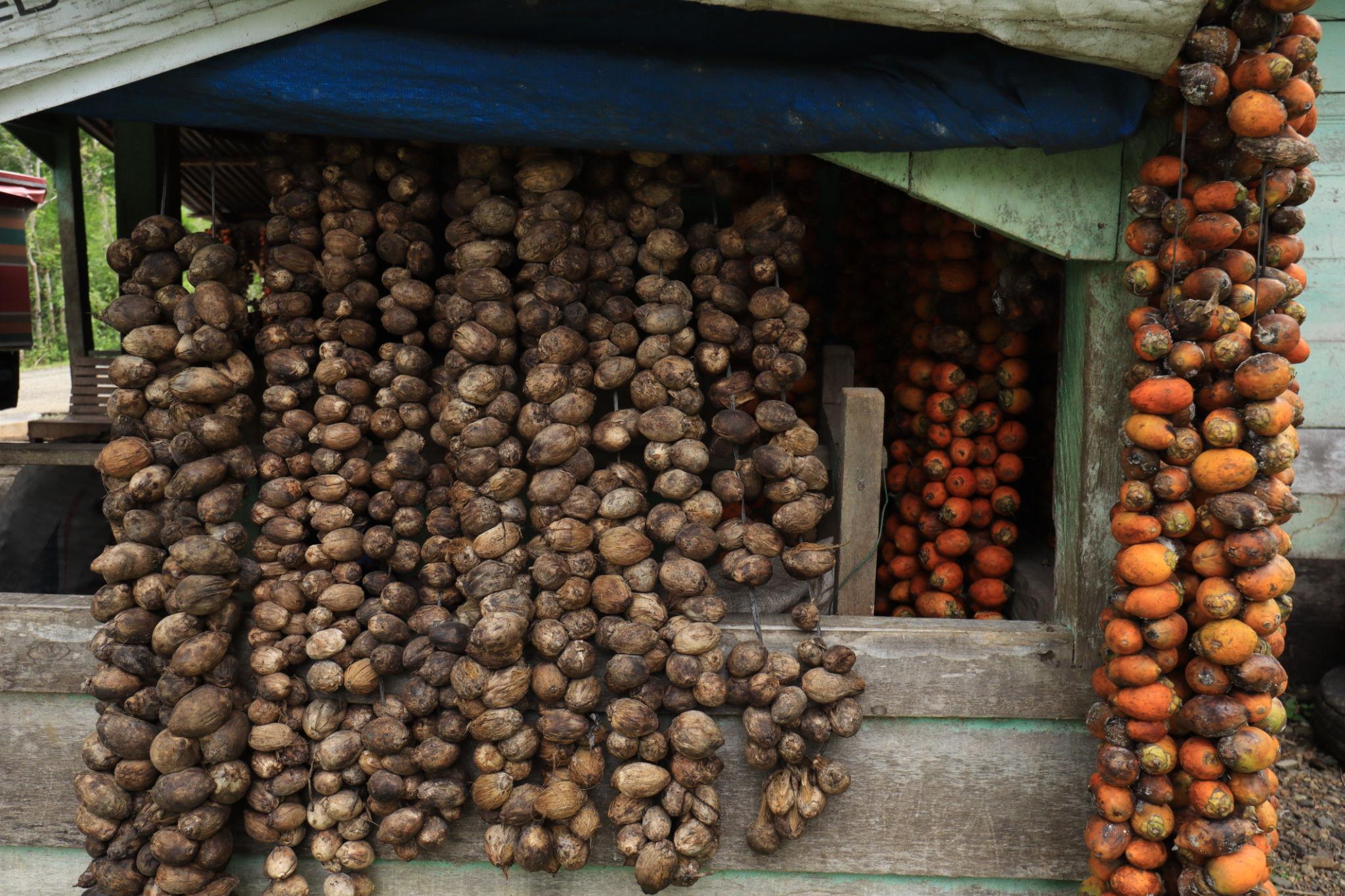
Indonesia is widely known for its rich agricultural resources, and one of the emerging commodities attracting international attention is Pinang Bonbon. Commonly known as areca nut or betel nut, pinang has become an important export product due to its wide usage in traditional culture, herbal industries, and international trade markets.
Pinang Bonbon is appreciated for its quality, natural processing methods, and growing demand across countries such as India, Bangladesh, Pakistan, and several Middle Eastern regions. Farmers and exporters in Indonesia continue to improve cultivation and post-harvest handling to meet global market standards.
According to agricultural and health references, areca nut has long been cultivated across Asia and is recognized as a high-value tropical commodity.
What Is Pinang Bonbon?
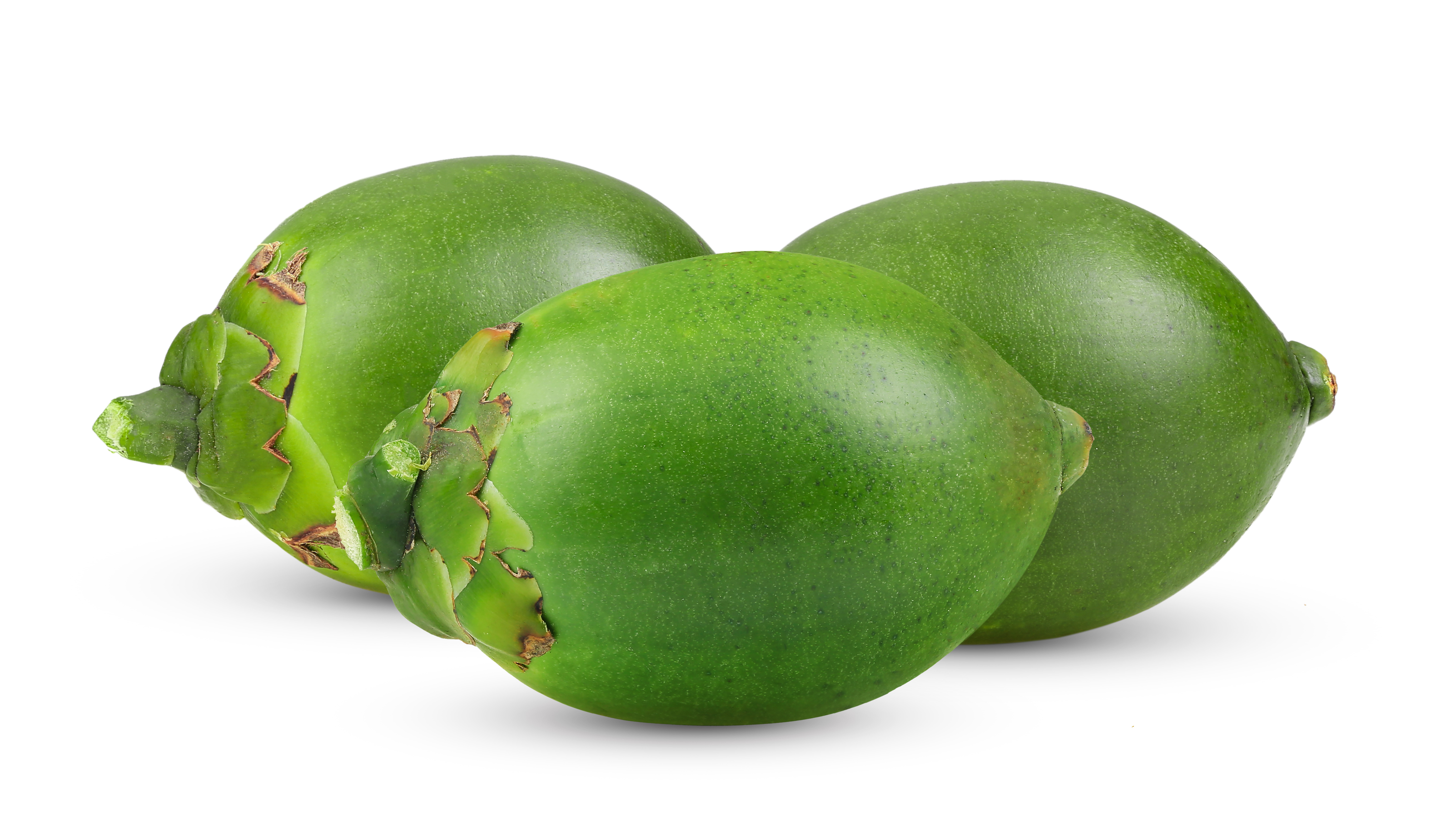
Pinang Bonbon refers to selected areca nuts that are processed and prepared for commercial distribution. The nuts come from the areca palm tree (Areca catechu), which grows well in tropical climates like Indonesia.
The product is commonly categorized based on:
- Size and maturity
- Dryness level
- Color quality
- Moisture content
- Cleaning and sorting standards
High-quality Pinang Bonbon is usually carefully dried under controlled conditions to maintain freshness and export quality.
Main Uses of Pinang Bonbon
Pinang Bonbon has various applications in different industries and cultural traditions.
1. Traditional Consumption
In many Asian cultures, areca nut is traditionally chewed together with betel leaves. This practice has existed for centuries and remains part of cultural ceremonies in several regions.
2. Herbal and Natural Products
Some industries use areca nut extracts in herbal formulations and traditional medicine products. Research has explored its bioactive compounds and agricultural value.
3. Export Commodity
Indonesia has become one of the important suppliers of areca nut products for international buyers. Export-grade Pinang Bonbon is valued for its consistent quality and competitive pricing.
Why Indonesian Pinang Bonbon Is Popular
Indonesia offers several advantages in the global areca nut market:
- Tropical climate suitable for cultivation
- Large farming areas
- Experienced agricultural communities
- Competitive export prices
- Growing international logistics support
Many international buyers prefer Indonesian Pinang Bonbon because of its natural appearance, reliable drying quality, and steady supply capacity.
The Growing Export Opportunity
The global demand for agricultural commodities continues to increase, and Pinang Bonbon is becoming one of the promising export products from Indonesia.
Exporters are now focusing on:
- Better quality control
- International packaging standards
- Faster shipping systems
- Sustainable farming practices
Countries in South Asia remain among the biggest importers of areca nut products, creating strong business opportunities for Indonesian suppliers.
Health and Safety Considerations
Although areca nut has traditional and commercial value, several health references also mention that excessive consumption may carry health risks. Consumers are encouraged to use the product responsibly and follow local health regulations.
Conclusion
Pinang Bonbon is more than just a traditional product — it is a growing agricultural commodity with significant export potential. With Indonesia’s strong farming sector and increasing global demand, the future of the Pinang Bonbon industry looks promising.
For international buyers seeking natural tropical commodities, Indonesian Pinang Bonbon offers quality, authenticity, and competitive value in the global marketplace.