Indonesia plays a vital role in the global betel nut (areca nut) trade. Behind every shipment lies a complex journey that begins at rural farms and ends in international markets such as India, Bangladesh, and Pakistan.
Understanding this journey—from cultivation to export—is essential for buyers, traders, and suppliers who want to ensure quality, consistency, and efficiency in their supply chain.
1. Cultivation: Where It All Begins
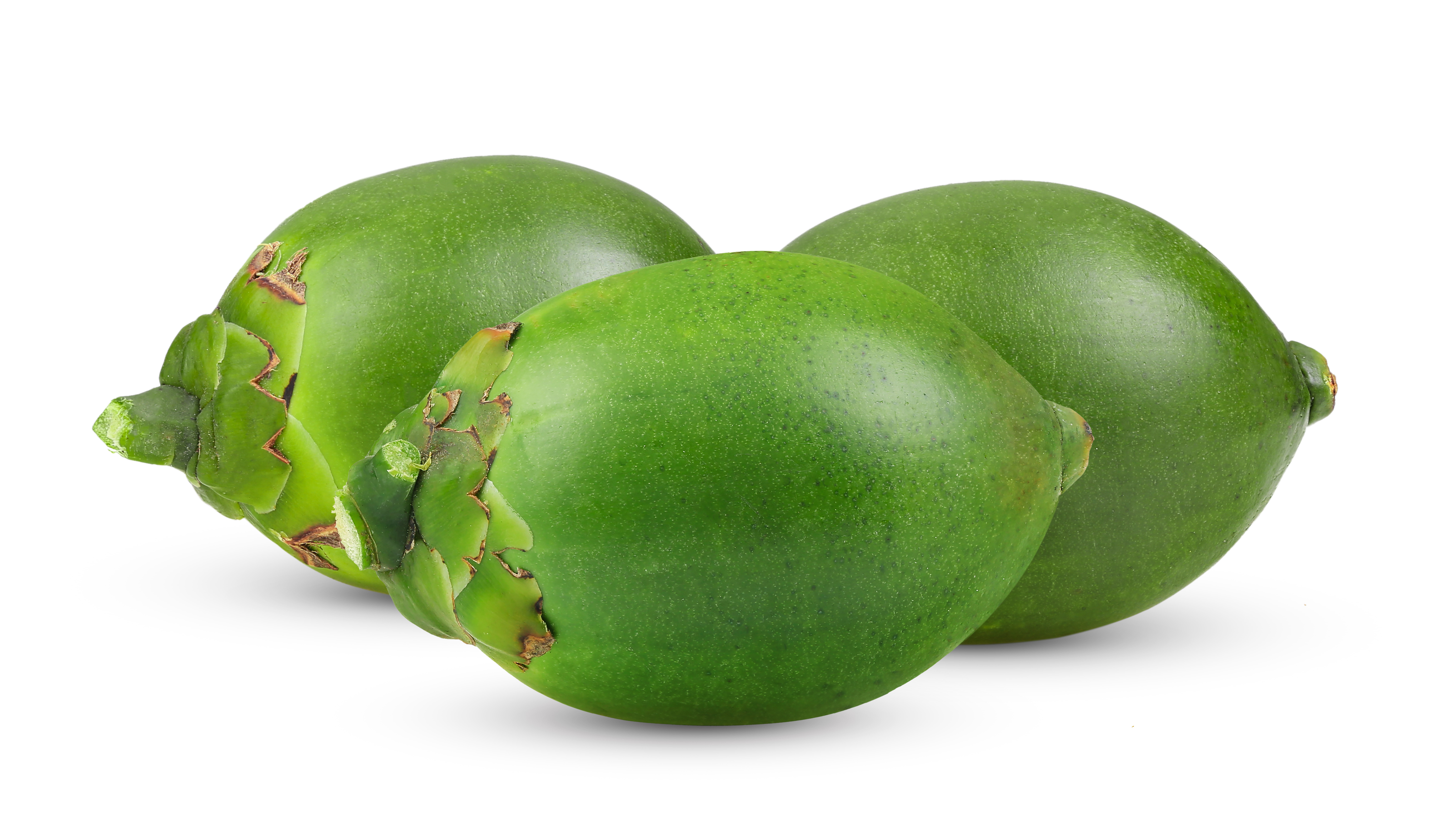
Betel nut is cultivated across several regions in Indonesia, particularly in Sumatra and Sulawesi. The areca palm thrives in tropical climates with high rainfall and fertile soil.
Farmers typically grow areca nut on small to medium-sized plantations, where trees begin producing fruit after 4–6 years and continue yielding for many years.
Key factors influencing cultivation:
- Climate and rainfall
- Soil fertility
- Farming techniques
- Plantation management
2. Harvesting Process
Once the fruit matures, harvesting begins. This is usually done manually by climbing trees or using cutting tools.
Harvest characteristics:
- Occurs 1–2 times per year
- Peak season in Indonesia: September to November
- Requires careful handling to avoid damage
Proper timing is critical—harvesting too early or too late can reduce quality and market value.
3. Post-Harvest Handling
After harvesting, the betel nut undergoes several initial processes:
Steps include:
- Removing the outer husk
- Cleaning and sorting
- Preparing for drying
At this stage, quality control begins. Poor handling can lead to contamination or reduced product value.
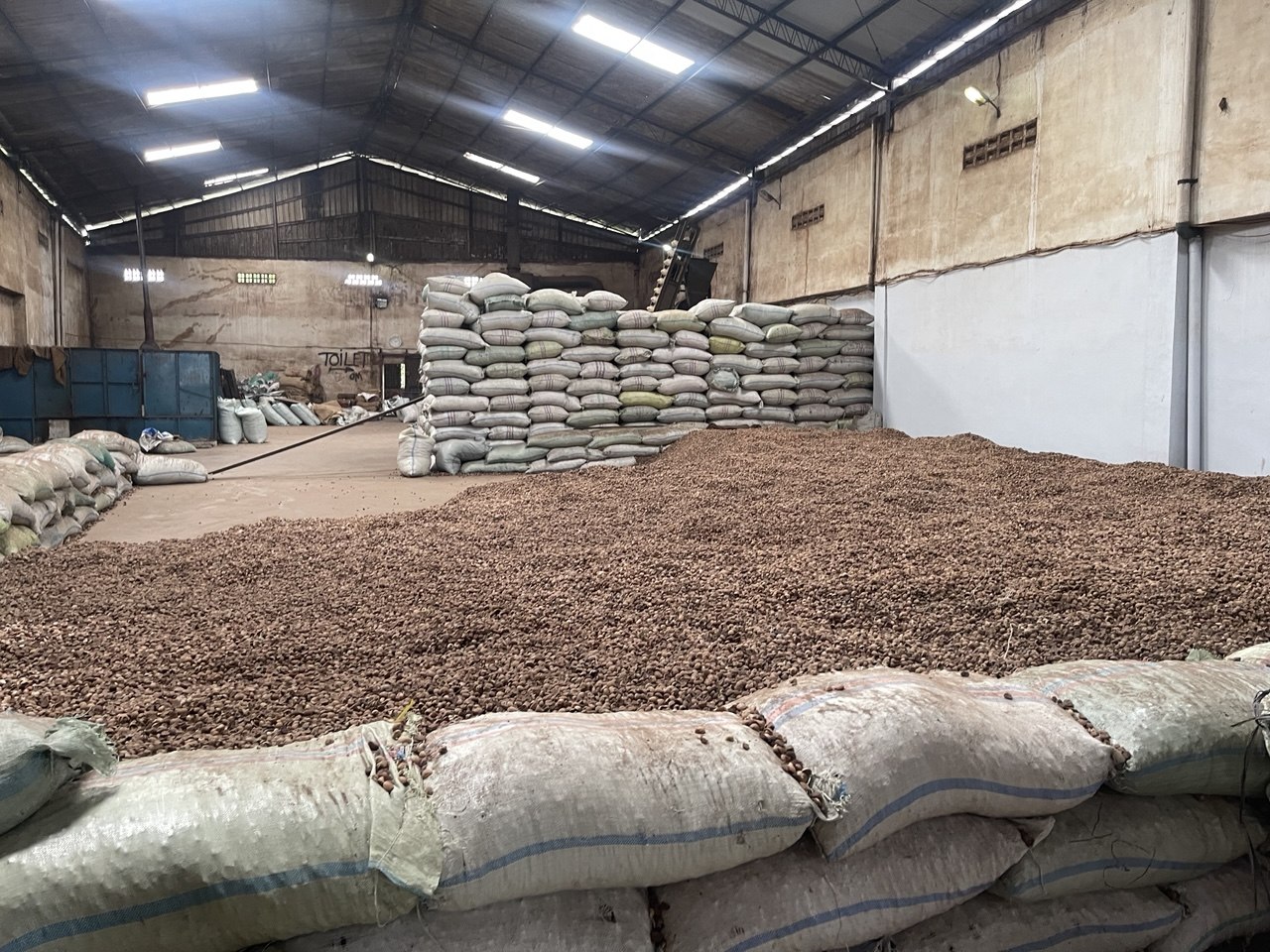
4. Drying Process
Drying is one of the most critical steps in the supply chain.
Methods used:
- Sun-drying (traditional, cost-effective)
- Machine-drying (more consistent and controlled)
The goal is to reduce moisture content to safe levels (typically below 5–7%) to prevent mold and ensure long shelf life.
5. Processing: Whole vs Split
After drying, betel nut is either sold as whole or processed into split form.
Whole Betel Nut:
- Sold in natural form
- Preferred by industrial buyers
Split Betel Nut:
- Cut into pieces
- Ready for consumption or retail markets
- Higher value in certain markets
This stage adds value and influences pricing significantly.
6. Grading and Quality Control
Grading ensures consistency and determines market price.
Common grading system:
- 60/65
- 70/75
- 80/85
- 90/95
Other quality factors:
- Moisture content
- Cleanliness
- Color and appearance
- Defect rate
Strict quality control is essential to meet international buyer standards.
7. Packaging and Storage
Proper packaging protects the product during transportation.
Standard practices:
- Use of PP or jute bags
- Dry and ventilated storage
- Protection from moisture
Incorrect storage can quickly damage product quality.
8. Export and Logistics
Once ready, the betel nut is shipped to international markets.
Key export considerations:
- Container loading (20ft / 40ft)
- Shipping schedules
- Documentation (invoice, packing list, etc.)
- Compliance with buyer requirements
Indonesia’s strategic location allows efficient shipping to South Asia, the primary market.
9. Distribution in Global Markets
After export, the product is distributed through wholesalers, traders, and retailers in destination countries.
In many markets, betel nut is:
- Sold directly to consumers
- Used in processing industries
- Distributed through traditional trade networks
Challenges in the Supply Chain
Despite its efficiency, the supply chain faces several challenges:
- Inconsistent quality at farm level
- Weather impact on drying
- Logistics delays
- Price fluctuations
Addressing these issues is key to improving competitiveness.
Opportunities for Growth
The industry continues to evolve, offering opportunities such as:
- Value-added processing (split, flavored products)
- Improved drying technology
- Digital trade and online marketing
- Stronger global branding
Conclusion
The journey of betel nut in Indonesia—from farm to export—is a complex yet well-established process. Each stage, from cultivation to logistics, plays a critical role in determining quality and value.
For buyers and traders, understanding this journey helps in selecting reliable suppliers and ensuring consistent product standards. For exporters, improving each step of the supply chain opens the door to greater success in the global market.