The harvest season of areca nut (betel nut) plays a crucial role in determining supply availability, pricing trends, and overall market dynamics. For traders and exporters, knowing when harvesting occurs allows better planning for sourcing, inventory management, and international shipments.
Areca nut production is influenced by climate, geography, and cultivation practices, which means harvest seasons can vary across regions—especially in a diverse country like Indonesia.
General Harvest Cycle of Areca Nut
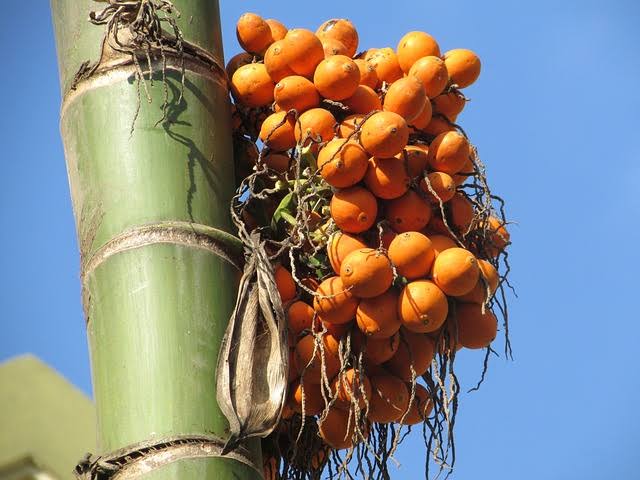
Areca nut trees typically begin producing fruit after 4–6 years of growth and can continue yielding for many years. In most producing regions, harvesting occurs 1–2 times per year, depending on environmental conditions.
Key characteristics of the harvest cycle:
- Fruit matures over several months
- Harvesting is often done manually
- Timing depends on rainfall and sunlight exposure
Harvest Season in Indonesia
Indonesia, as one of the world’s leading producers, has relatively consistent harvesting patterns due to its tropical climate.
Main Harvest Period:
- Primary season: August to December
- Peak harvest: September to November
Secondary Harvest (in some regions):
- February to April (smaller volume)
Regional Variations in Harvest Timing
Different provinces may experience slightly different harvest periods:
Sumatra (North Sumatra, Aceh, Jambi, West Sumatra)
- Major production zone
- Peak harvest: September – November
- High export activity during this period
Sulawesi (South & Southeast Sulawesi)
- Slight variation due to local climate
- Harvest can extend into December – January
How Harvest Season Affects Supply
Harvest season has a direct impact on market supply:
During Peak Season:
- High availability
- More stable supply
- Easier sourcing for bulk orders
Off-Season:
- Limited stock
- Increased reliance on stored inventory
- Potential delays in supply
Impact on Betel Nut Prices
Seasonality significantly influences pricing:
Peak Harvest Period:
- Prices tend to be lower or stable
- Increased competition among suppliers
Off-Season:
- Prices often increase due to limited supply
- Buyers may secure contracts earlier
Traders who understand timing can maximize profit by buying during peak and selling during off-season.
Harvesting Process
The harvesting process involves several key steps:
- Climbing or cutting the fruit bunches
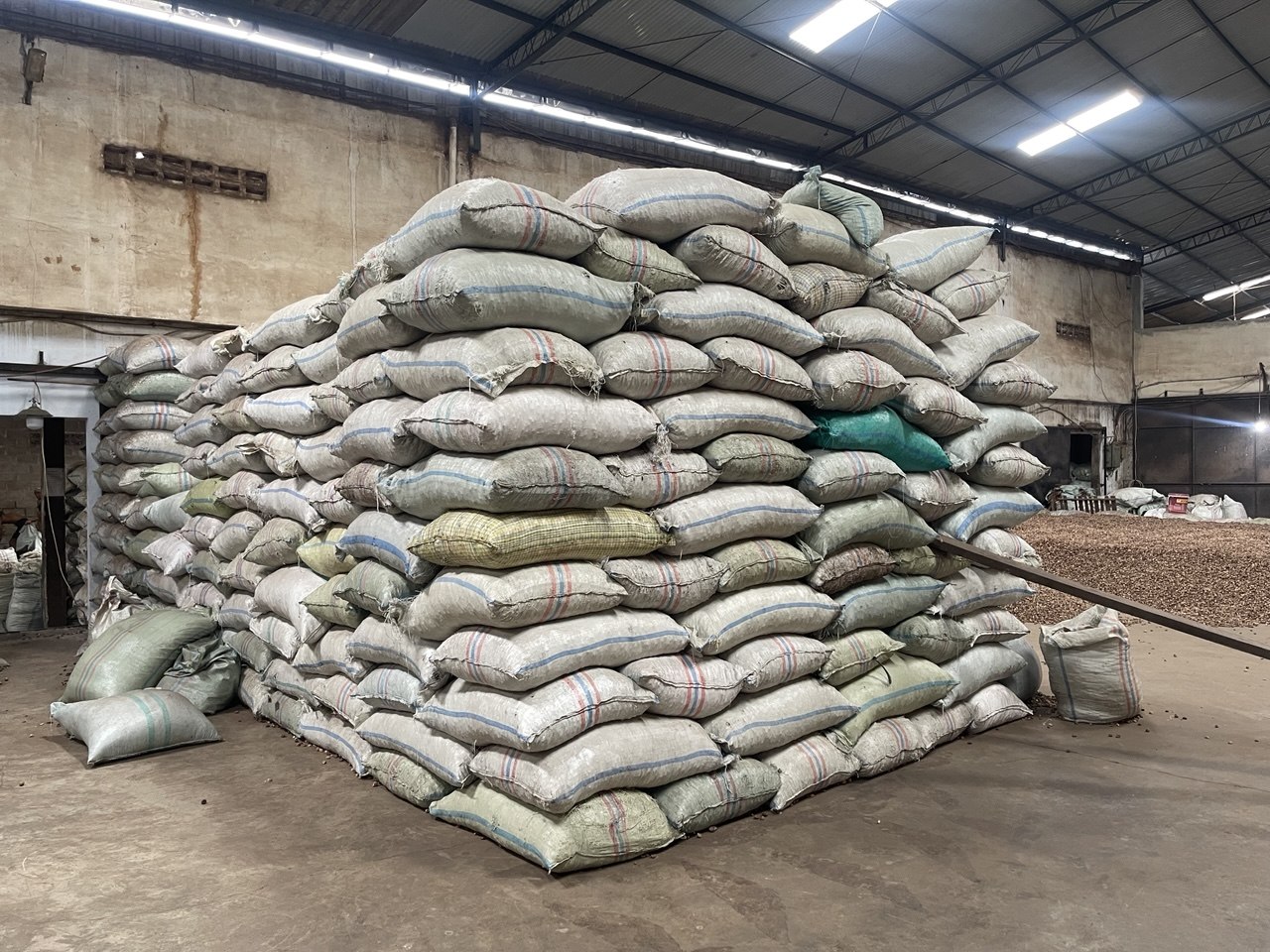
- Collecting and sorting raw nuts
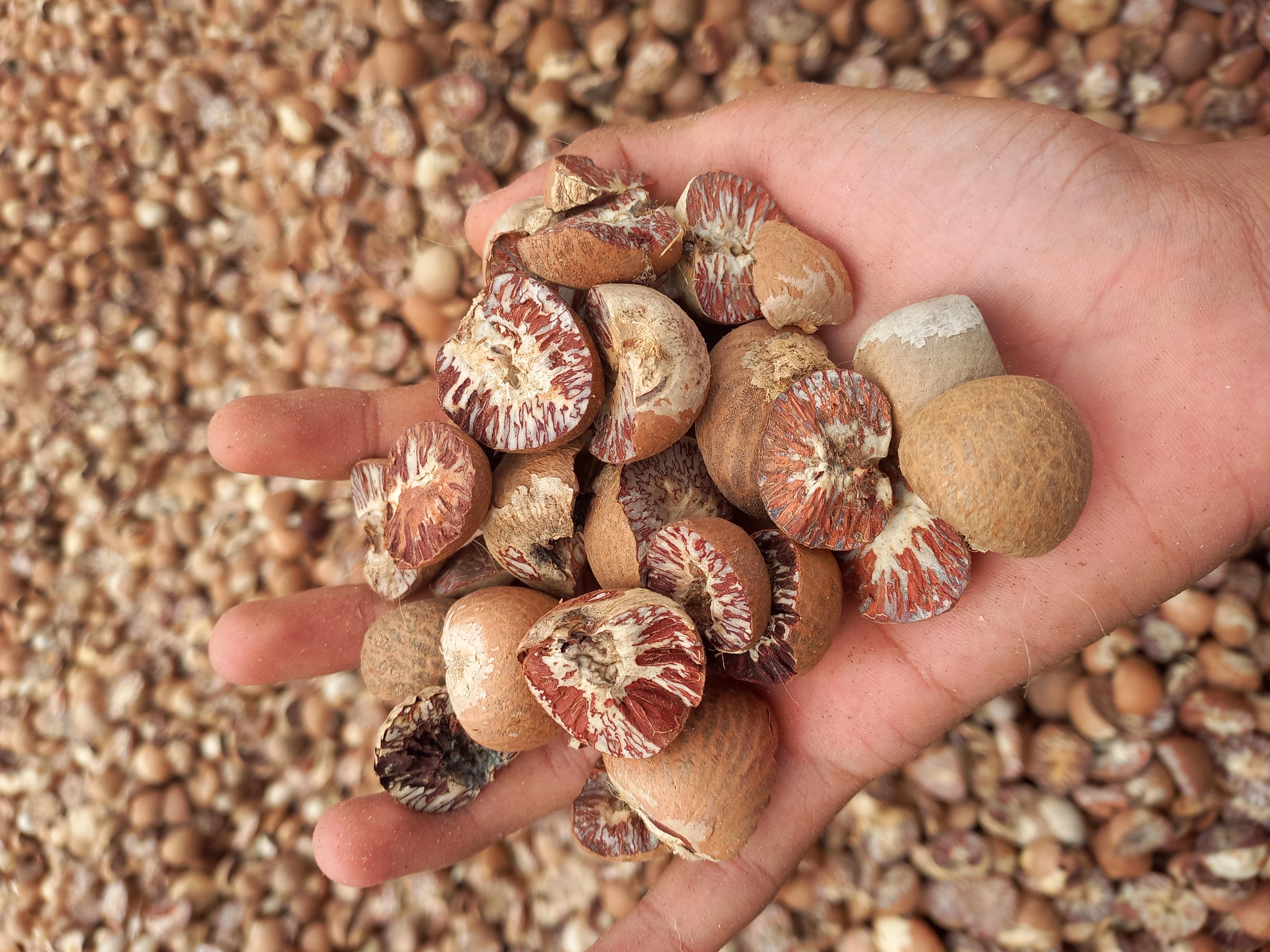
- Removing outer husk
- Drying (sun-dried or machine-dried)
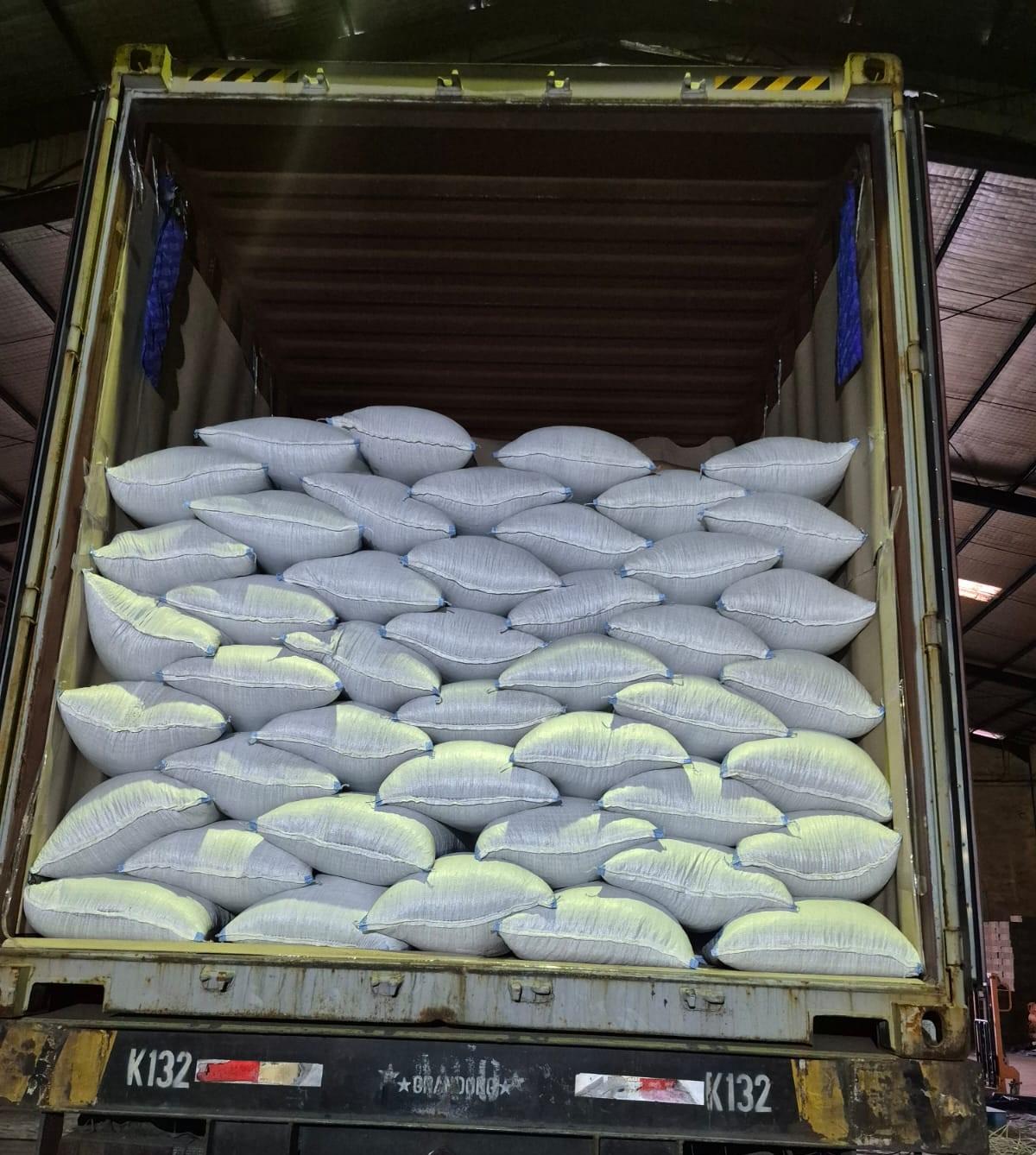
- Grading and packaging
Proper handling during harvest is critical to maintain quality and prevent damage.
Factors Affecting Harvest Quality
Several factors influence the final quality of harvested areca nut:
- Weather conditions (rainfall, humidity)
- Harvest timing (too early or too late reduces quality)
- Drying process efficiency
- Handling and storage
Challenges During Harvest Season
Despite high supply, harvest season also presents challenges:
- Labor availability
- Weather disruptions (rain can delay drying)
- Quality inconsistency due to rushed processing
- Logistics congestion during peak export period
Strategic Tips for Buyers and Exporters
To optimize business during harvest season:
- Plan purchases ahead of peak season
- Secure reliable suppliers early
- Monitor moisture levels closely
- Build inventory during high supply periods
Future Outlook
With growing global demand, harvest cycles will continue to play a key role in shaping the betel nut industry. Improvements in drying technology and storage systems may help reduce seasonal fluctuations in the future.
Conclusion
The harvest season of areca nut is a fundamental factor in determining supply, pricing, and trade opportunities. Understanding regional harvest patterns—especially in Indonesia—allows traders and buyers to make better decisions and stay competitive in the global market.