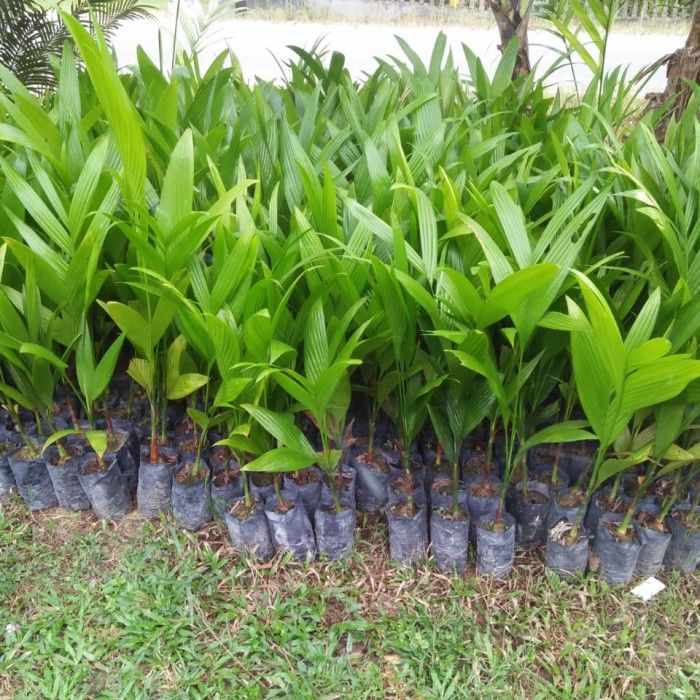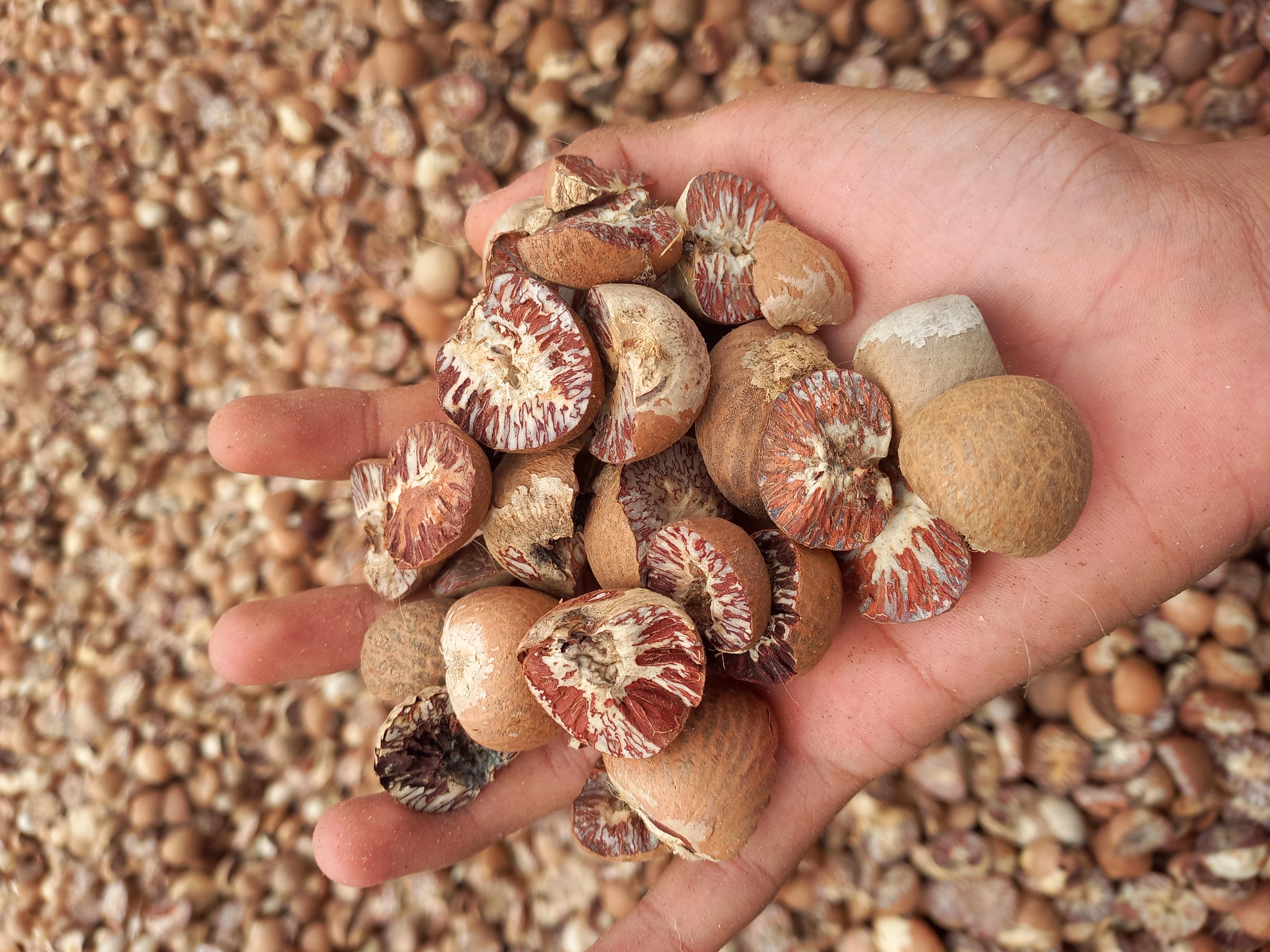
Indonesia is widely recognized as a major supplier in the global betel nut (areca nut) trade. With its tropical climate and fertile land, several provinces across the country have become key production hubs. Understanding where betel nut is produced is essential for buyers, traders, and exporters looking to secure consistent supply and quality.
Why Indonesia Is a Key Betel Nut Producer
Indonesia’s geography provides ideal conditions for betel nut cultivation. High rainfall, warm temperatures, and suitable soil conditions allow areca palms to grow efficiently across multiple islands.
The country’s strategic location also supports export logistics, making it easier to supply major markets such as India, Bangladesh, and Pakistan.
Top Betel Nut Producing Provinces in Indonesia
1. North Sumatra (Sumatera Utara)
One of the most important betel nut producing regions in Indonesia, North Sumatra is known for its large-scale production and active trading hubs.
Key advantages:
- Strong supply chain and experienced traders
- Consistent quality and grading
- Easy access to export ports
This province plays a central role in supplying both whole and split betel nut for international markets.
2. Aceh
Aceh is another major producer, particularly known for its high-quality dried betel nut.
Highlights:
- Good drying conditions
- Competitive pricing
- Strong export potential
Betel nut from Aceh is often favored for its consistent size and quality.
3. West Sumatra (Sumatera Barat)
West Sumatra contributes significantly to Indonesia’s betel nut output, especially in rural farming areas.
Key points:
- Stable production volume
- Increasing participation in export markets
- Growing processing capabilities
4. Riau and Riau Islands
These regions are emerging as important contributors to the betel nut supply chain.
Advantages:
- Strategic location near export routes
- Growing number of suppliers
- Competitive pricing structure
5. South Sulawesi (Sulawesi Selatan)
Sulawesi is well known for agricultural production, including betel nut.
Strengths:
- Expanding cultivation areas
- Improving processing infrastructure
- Potential for large-scale export growth
6. Southeast Sulawesi (Sulawesi Tenggara)
This province is gaining attention for its increasing betel nut production.
Key benefits:
- Untapped production potential
- Competitive labor and production costs
- Growing interest from exporters
7. Jambi
Jambi is one of the emerging betel nut (areca nut) producing provinces in Sumatra, with increasing activity in both farming and trading. Its strategic location and growing supply capacity make it an important region for future export development.
Key advantages:
- Expanding betel nut plantations
- Competitive raw material pricing
- Close proximity to major export hubs in Sumatra
In recent years, Jambi has gained attention from traders due to its consistent supply and potential for scaling production. With improved processing and logistics, the province is expected to play a larger role in Indonesia’s betel nut export market.
Factors That Influence Production by Region
Each province has unique characteristics that affect betel nut production:
- Climate and rainfall patterns
- Harvesting techniques
- Drying and processing methods
- Access to logistics and ports
These factors ultimately impact quality, price, and export readiness.
Export Opportunities from Indonesian Provinces
With strong demand from South Asia, Indonesian provinces have a major opportunity to expand their export reach. Buyers are increasingly looking for:
- Reliable supply
- Consistent grading (60/65, 70/75, etc.)
- Proper moisture control
- Competitive pricing
Provinces that can meet these standards will continue to dominate the global market.
Challenges in Regional Production
Despite strong potential, some challenges remain:
- Inconsistent quality across regions
- Limited processing facilities in rural areas
- Logistics inefficiencies in remote locations
Addressing these issues will be key to strengthening Indonesia’s position as a leading exporter.
Future Outlook
The future of betel nut production in Indonesia looks promising. With increasing global demand and improvements in supply chain systems, more provinces are expected to enter the export market.
Investment in processing, quality control, and infrastructure will further enhance competitiveness and open new opportunities for growth.
Conclusion
Indonesia’s betel nut industry is supported by multiple provinces, each contributing to the country’s position as a global supplier. Regions like North Sumatra, Aceh, Jambi and Sulawesi continue to lead production, while emerging areas offer new potential.
For buyers and traders, understanding these key provinces is essential for sourcing high-quality betel nut and building reliable supply chains.