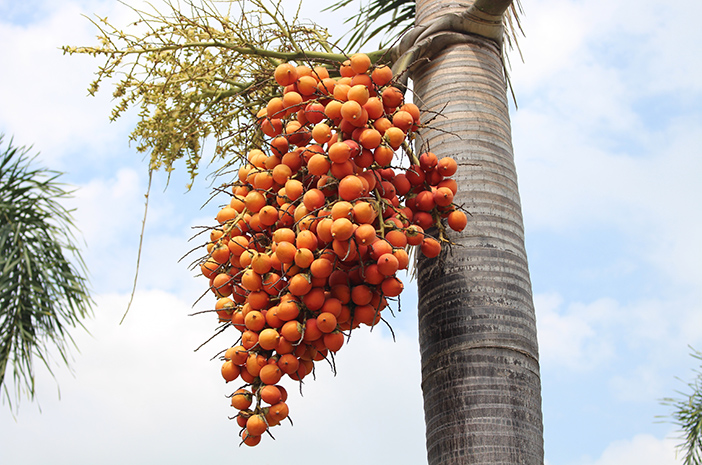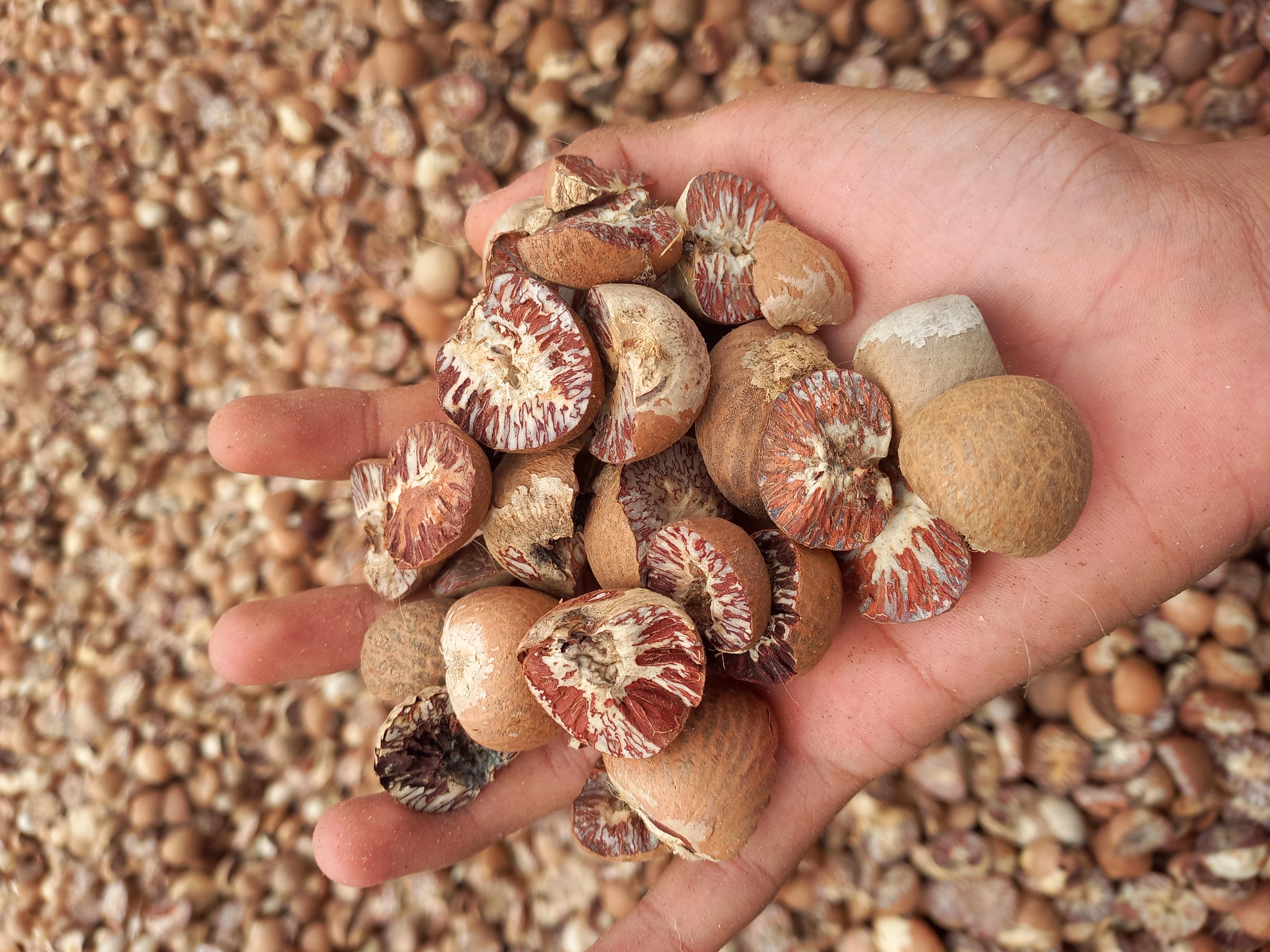
Betel nut prices are increasing in 2026 mainly due to limited supply, rising global demand, and higher export costs. Production in key regions has declined by an estimated 10–15%, while demand in South Asia continues to grow steadily. At the same time, logistics costs have increased by around 20–30%, pushing overall market prices upward.
1. Strong Demand from South Asia
Global demand for betel nut remains high in 2026, especially in South Asia. India alone accounts for a significant portion of global consumption, with demand continuing to grow annually by an estimated 3–5%.
Bangladesh and Pakistan also contribute to steady import demand, creating continuous pressure on supply.
2. Supply Decline in Producing Countries
Supply shortages are a key driver of price increases. In major producing countries like Indonesia:
- Production is estimated to decline by 10–15%
- Harvest cycles are becoming less predictable
- Some regions report lower yields due to climate variability
This reduction directly impacts global availability.
3. Climate and Harvest Disruptions
Weather conditions in 2025–2026 have significantly affected production:
- Excess rainfall delays drying process
- Shorter dry seasons reduce product quality
- Post-harvest losses increase by up to 5–8%
Since drying quality determines export grade, even small disruptions can reduce supply significantly.
4. Rising Production Costs
Operational costs across the supply chain are increasing:
- Labor costs up by 10–20%
- Processing and drying costs rising steadily
- Local transportation costs increasing due to fuel prices
These costs are passed on to buyers, contributing to higher market prices.
5. Export and Logistics Pressure
Shipping and logistics remain a major factor:
- Container shipping costs up 20–30% compared to previous years
- Limited container availability in peak seasons
- Occasional port congestion delays shipments
This increases the landed cost for importers.
6. Higher Quality Standards
Export markets are becoming more selective:
- Buyers prefer well-dried, uniform products
- Export-grade supply is estimated to be only 60–70% of total production
- Premium quality products command higher prices
This reduces available supply in the international market.
7. Conclusion
The increase in betel nut prices in 2026 is driven by measurable factors: reduced supply (10–15%), rising logistics costs (20–30%), and steady demand growth (3–5%).
For buyers, securing reliable suppliers is now critical. For exporters, maintaining consistent quality and supply stability presents a strong competitive advantage in an increasingly tight market.