The ongoing conflict between Iran and the United States has triggered one of the most severe disruptions in global shipping in recent history. At the center of this crisis is the Strait of Hormuz, a critical maritime chokepoint responsible for a significant share of global energy and trade flows.
As tensions escalate, shipping routes are disrupted, freight costs are rising sharply, and delivery times are becoming increasingly unpredictable affecting industries worldwide.
Disruption of the Strait of Hormuz
The Strait of Hormuz is one of the most important shipping lanes globally, handling a major portion of oil and gas shipments. However, due to military conflict and blockades:
- Shipping traffic has dropped drastically, in some cases nearly
- Only a few vessels are able to pass daily compared to normal levels
- Hundreds of ships and thousands of seafarers are stranded in the region
In addition, shipping companies are now avoiding the route entirely due to safety risks, including vessel seizures and military threats .
Rerouting and Longer Delivery Times
With the Strait of Hormuz largely inaccessible, shipping companies are forced to reroute:
- Ships are diverted around Africa (Cape of Good Hope)
- Alternative land and sea routes are being used
- Delivery times have increased by weeks in some cases
This rerouting significantly increases fuel consumption, operational costs, and logistical complexity.
Rising Freight Costs and Insurance
One of the most immediate impacts is the sharp increase in shipping costs:
- Freight rates have surged due to limited capacity
- Insurance premiums for vessels have increased multiple times
- Fuel costs have risen due to global energy disruption
Additionally, some cargo has shifted from sea freight to air freight, which is far more expensive, further driving up logistics costs .
Energy Crisis Driving Shipping Costs
The conflict has disrupted a significant portion of global oil supply:
- Around 20% of global oil flow passes through the Strait
- Supply disruptions are pushing oil prices higher
- Fuel costs for ships are increasing globally
Higher energy prices directly translate into more expensive shipping and global inflation pressures.
Supply Chain Disruptions
The impact extends far beyond shipping routes:
- Delays in raw materials and commodities
- Port congestion in alternative routes
- Reduced availability of goods in global markets
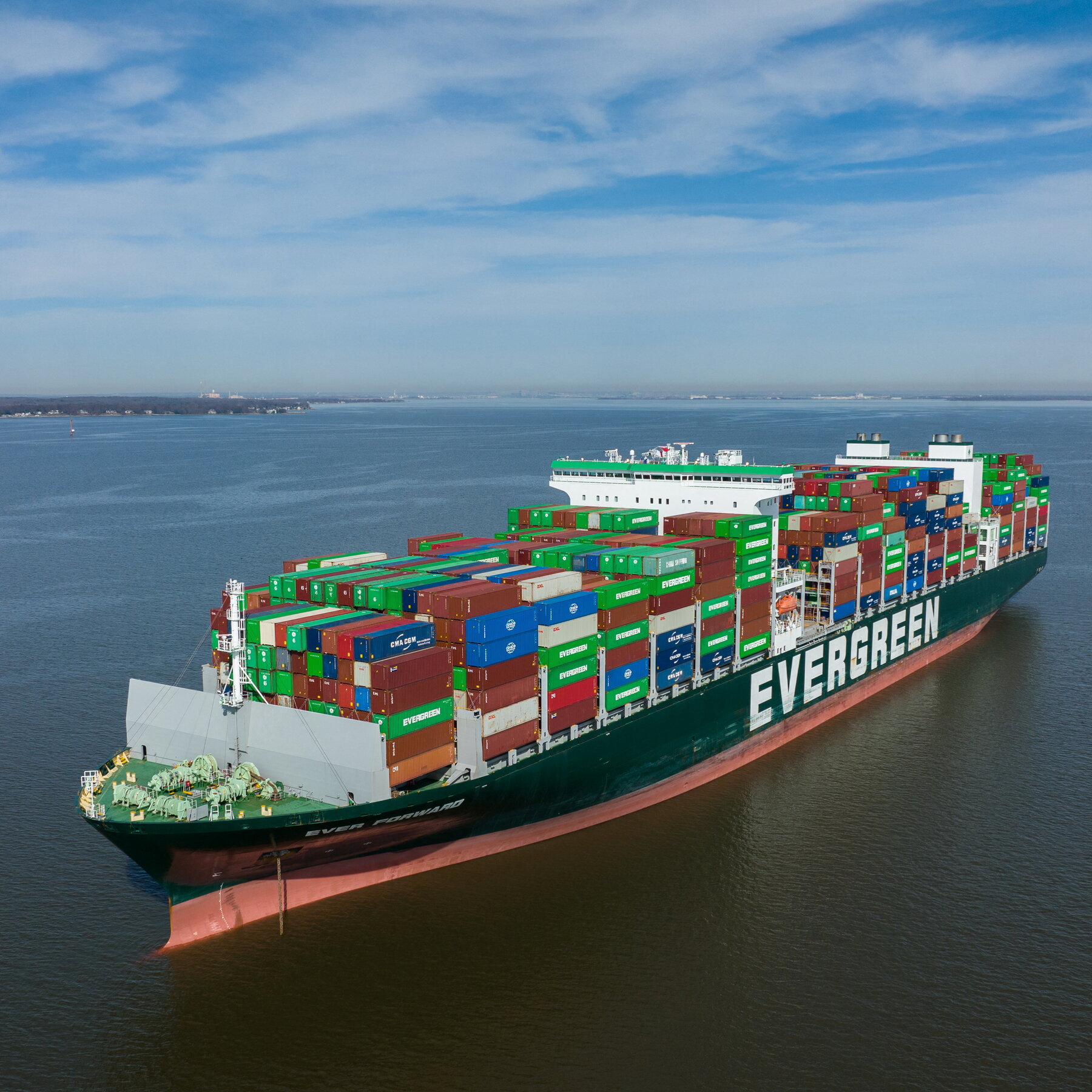
The conflict has displaced large volumes of container capacity, causing widespread delays and backlog in ports .
Global Trade and Economic Impact
The disruption in shipping is creating ripple effects across the global economy:
- Increased cost of goods and commodities
- Pressure on food and fertilizer supply chains
- Risk of global economic slowdown due to supply shocks
Industries dependent on stable logistics such as manufacturing, agriculture, and energy are particularly affected.
Risk and Security Concerns
Shipping companies are now facing heightened risks:
- Vessel seizures and military escalation
- Mines and attacks on commercial ships
- Uncertainty around safe passage
As a result, many major carriers have suspended operations in high-risk zones, further tightening global shipping capacity.
Future Outlook
Even if tensions ease, the shipping industry is unlikely to return to normal quickly:
- Alternative routes may remain in use long-term
- Freight rates could stay elevated
- Supply chains may permanently shift to reduce risk
Experts suggest that normalization will take time, and the industry may adapt to a “new normal” of higher costs and geopolitical risk .
Conclusion
The Iran - US conflict has exposed how fragile global shipping systems can be when key routes are disrupted. From rising freight costs to delayed deliveries and energy shocks, the impact is widespread and ongoing.
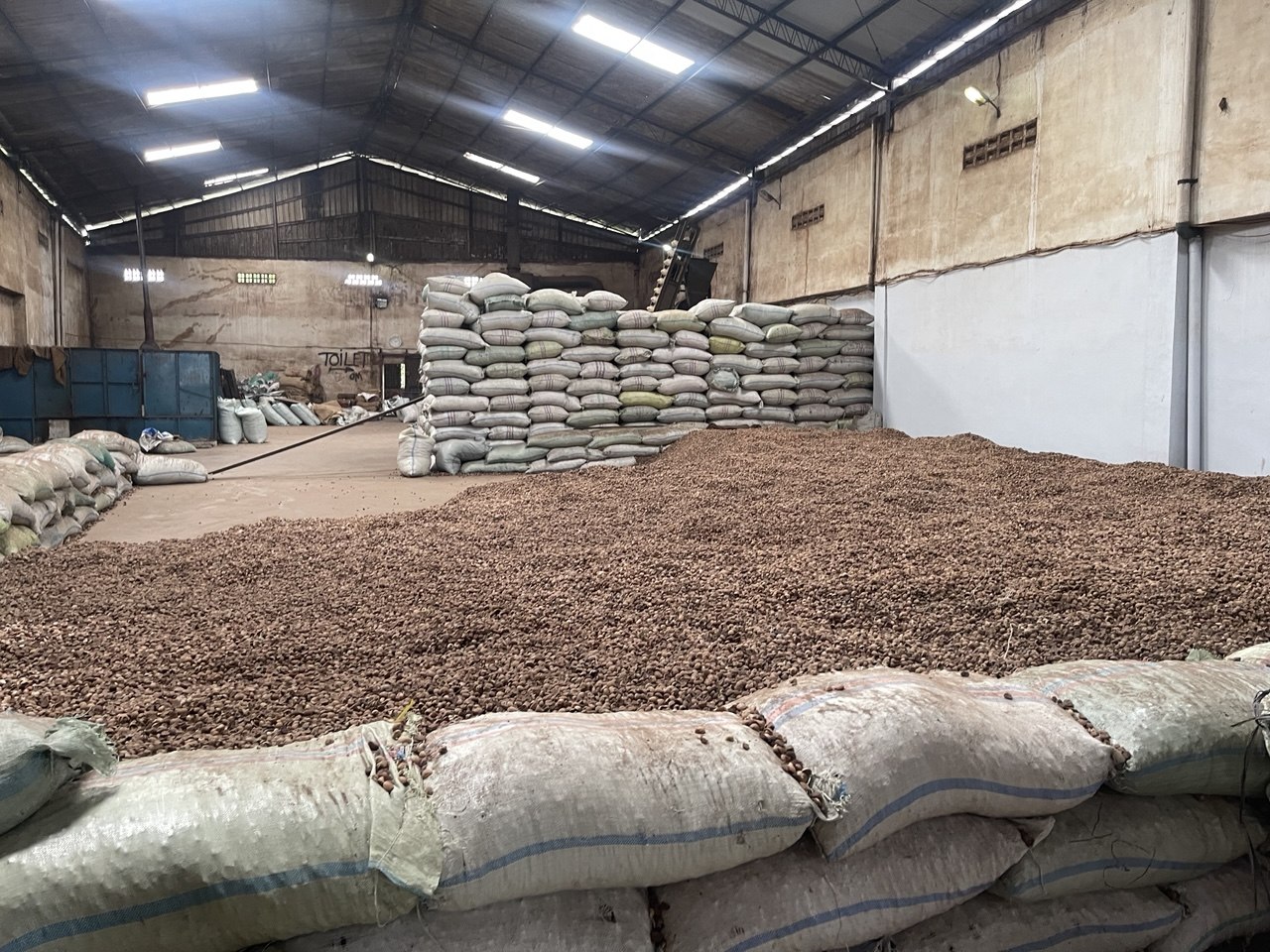
For businesses, traders, and exporters—including industries like betel nut export this situation highlights the importance of:
- Diversifying shipping routes
- Planning inventory strategically
- Monitoring geopolitical risks
In today’s interconnected world, conflict in one region can reshape global trade overnight.