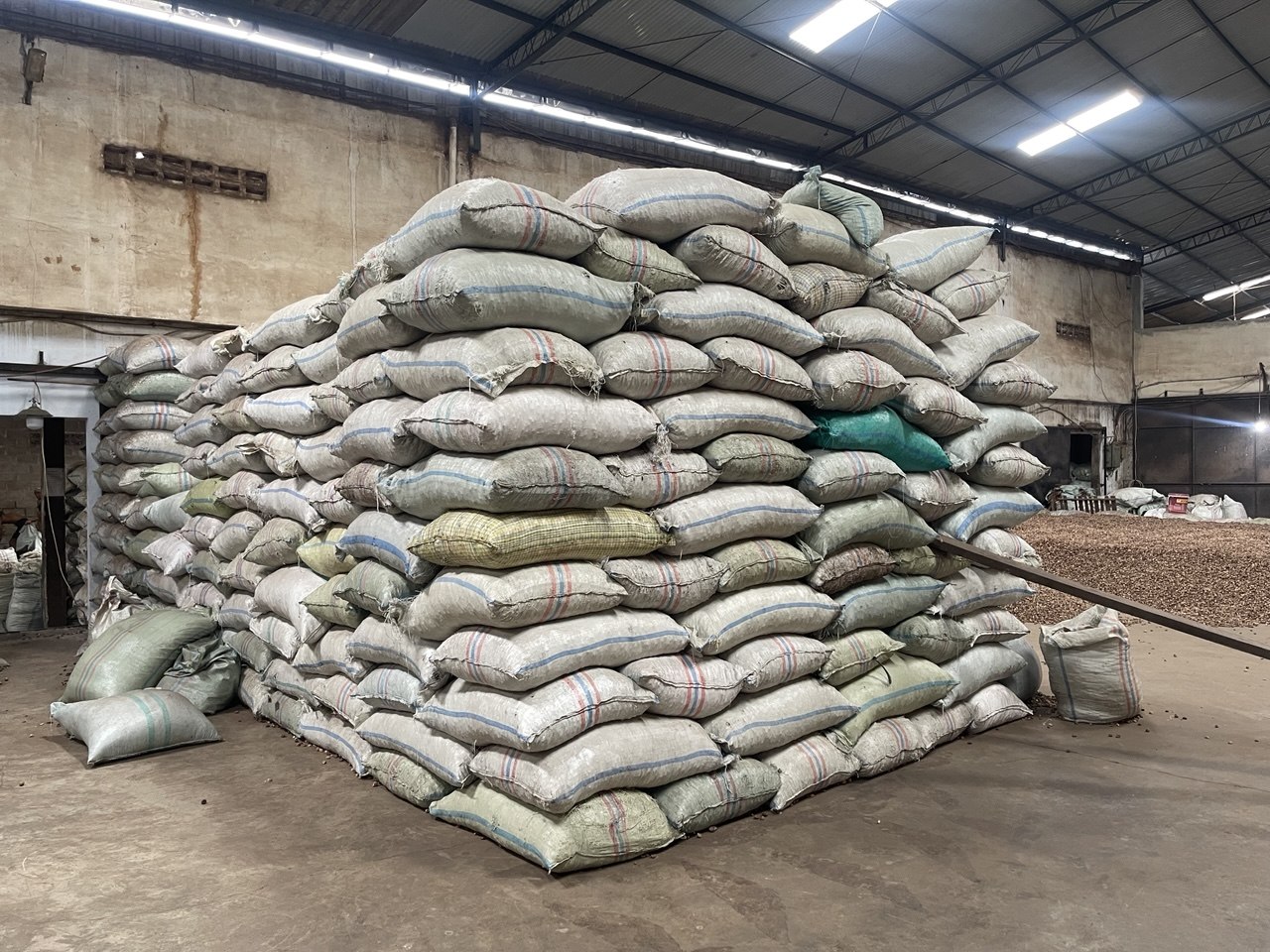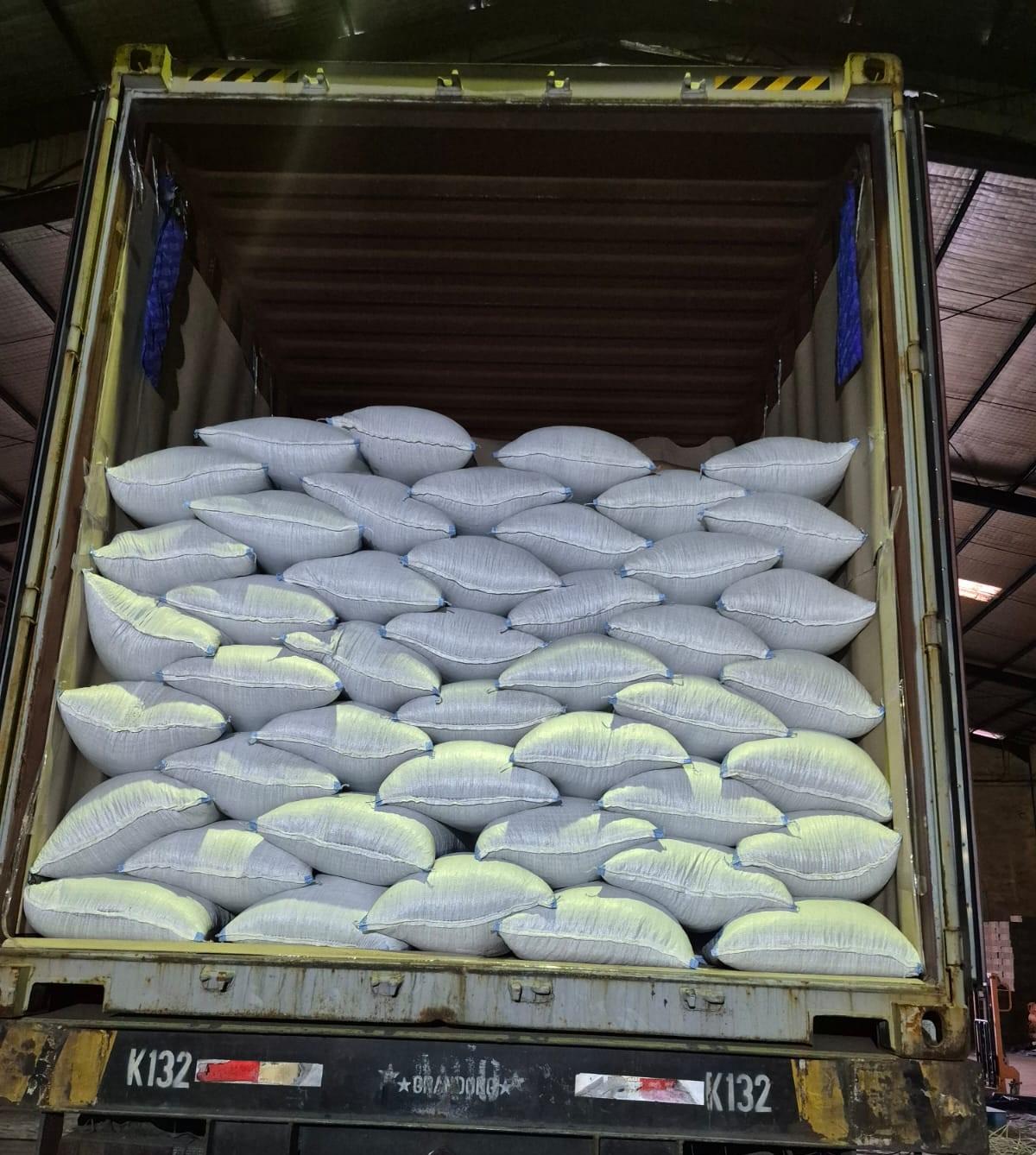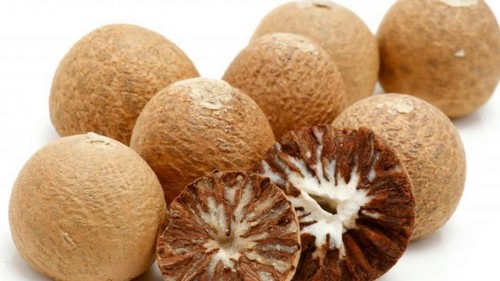
In the global betel nut trade, two common product types dominate the market: Split Betel Nut and Whole Betel Nut. For buyers and suppliers alike, understanding the difference goes beyond appearance—it directly impacts pricing, shelf life, logistics, and target markets.
This guide breaks down the key differences between split vs whole betel nut, helping you choose the best option for your business.
What Is Whole Betel Nut?
Whole betel nut refers to areca nuts that are sold in their natural, uncut form.
Key Characteristics:
- Oval or round, fully intact
- Not processed into smaller pieces
- Typically sun-dried or machine-dried
- More stable moisture content
Advantages:
- Longer shelf life
- Lower risk of damage during shipping
- Ideal for further industrial processing
Disadvantages:
- Requires additional processing (cutting/splitting)
- Less convenient for direct consumption
What Is Split Betel Nut?
Split betel nut is areca nut that has been cut into halves or smaller pieces before being sold.
Key Characteristics:
- Pre-cut (split)
- More uniform sizing after grading
- Often ready for direct consumption or retail distribution
Advantages:
- Ready to use (no further processing required)
- More appealing for certain consumer markets
- High demand in South Asian regions
Disadvantages:
- More sensitive to moisture and mold
- Shorter shelf life compared to whole nuts
- Higher processing cost → often higher price
Key Differences: Split vs Whole Betel Nut
| Aspect | Whole Betel Nut | Split Betel Nut |
|---|---|---|
| Form | Whole | Split |
| Shelf Life | Longer | Shorter |
| Processing | Requires further work | Ready to use |
| Price | More stable | Often higher |
| Target Market | Industrial buyers | Retail / consumption |
Which One Should You Choose?
The right choice depends on your target market and business model:
- For industrial buyers or factories → Whole betel nut is more efficient
- For traders and consumer markets → Split betel nut is more attractive
Other key considerations:
- Product grade (60/65, 70/75, etc.)
- Moisture content
- Supply consistency
- Packaging and logistics
Global Market Trends
Betel nut demand continues to grow, especially in:
- India
- Bangladesh
- Pakistan
In these markets, split betel nut often commands a premium price due to its ready-to-use nature.
However, whole betel nut remains the preferred choice for large-scale buyers, as it allows greater control over processing and quality.
Conclusion
There is no absolute “better” option between split and whole betel nut—only what fits your business needs best.
- Choose whole betel nut for durability and cost efficiency
- Choose split betel nut for convenience and higher market value
For traders and suppliers, understanding this distinction helps you:
- Set competitive pricing
- Target the right buyers
- Strengthen your export strategy