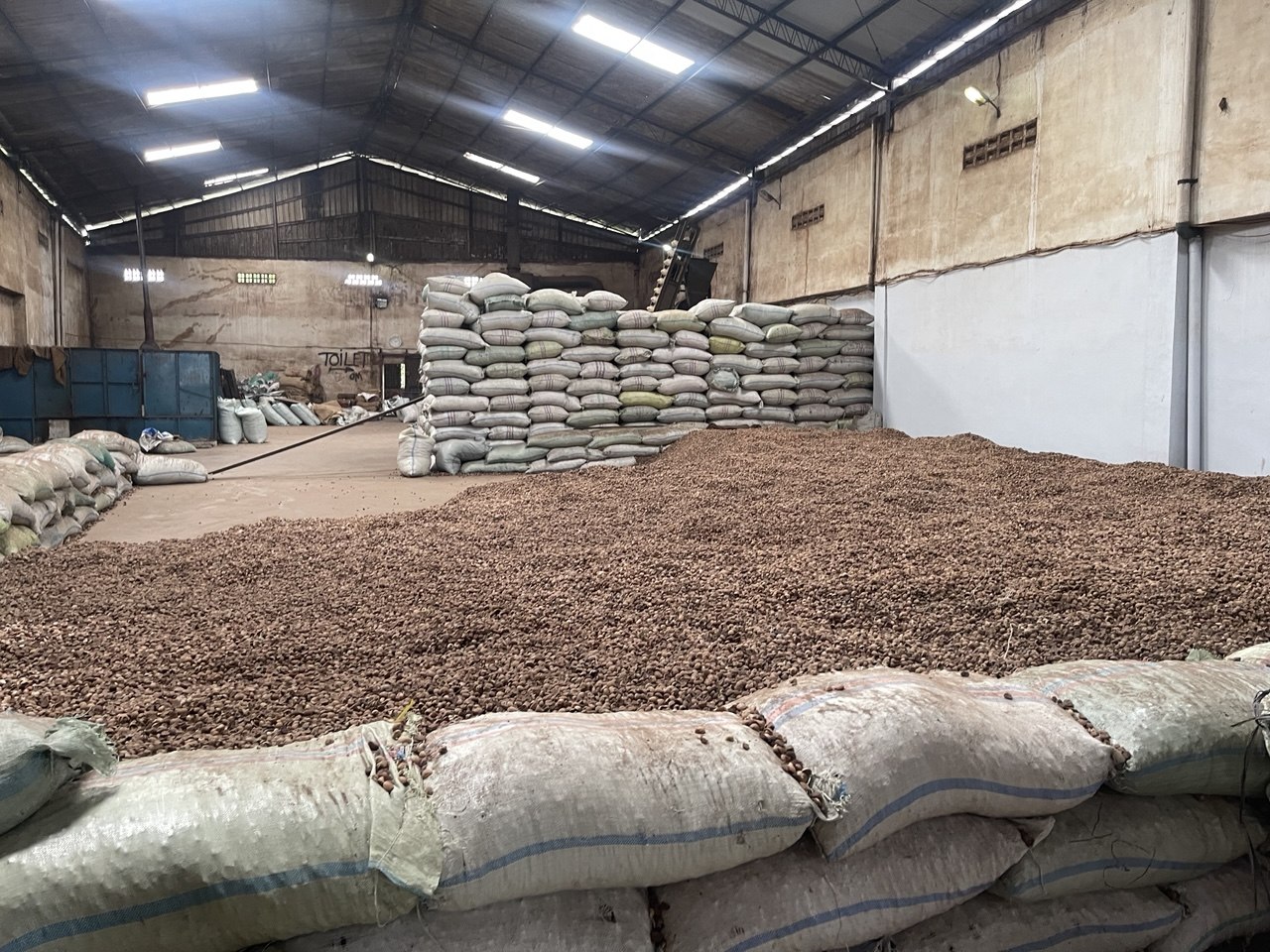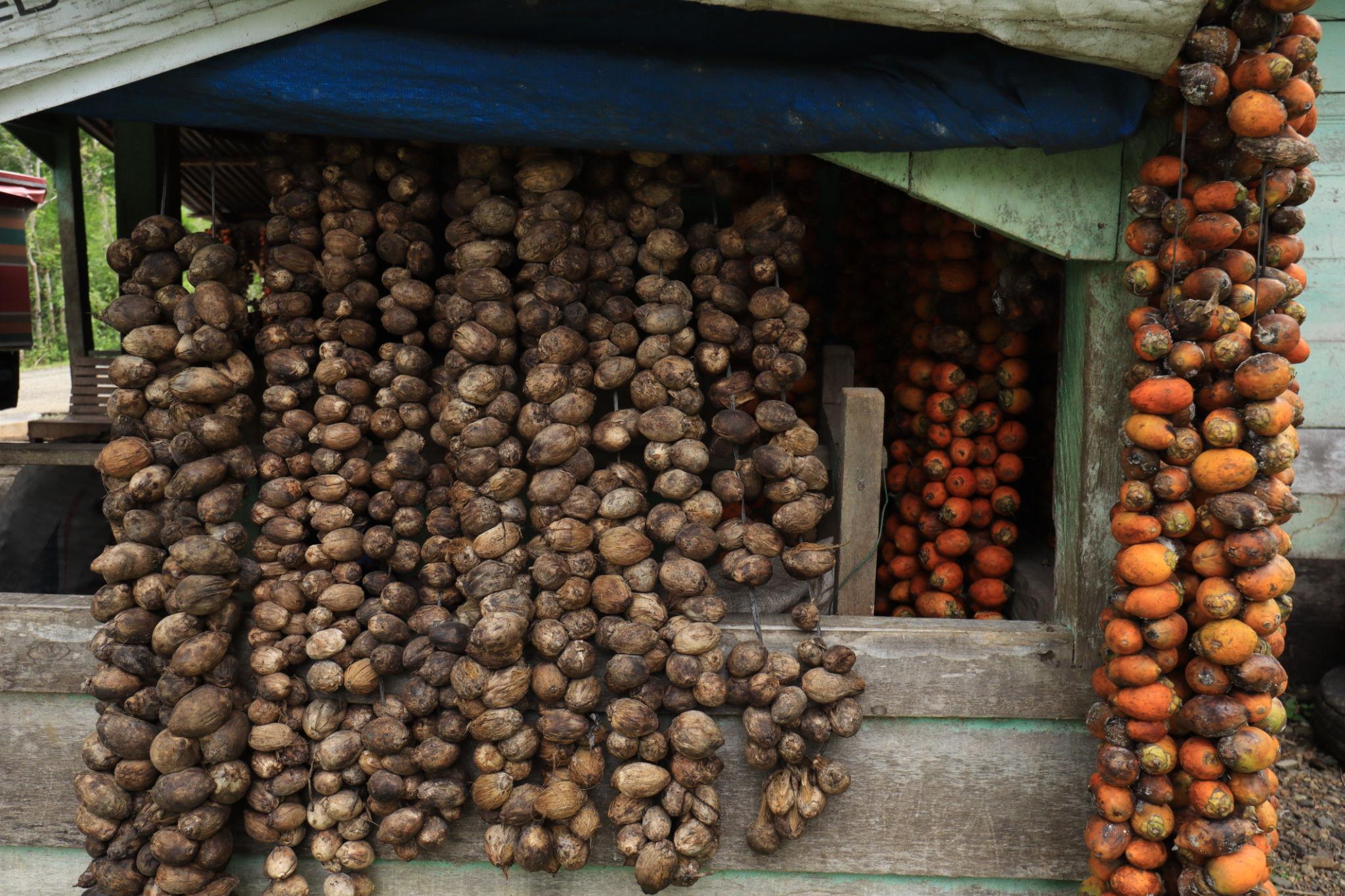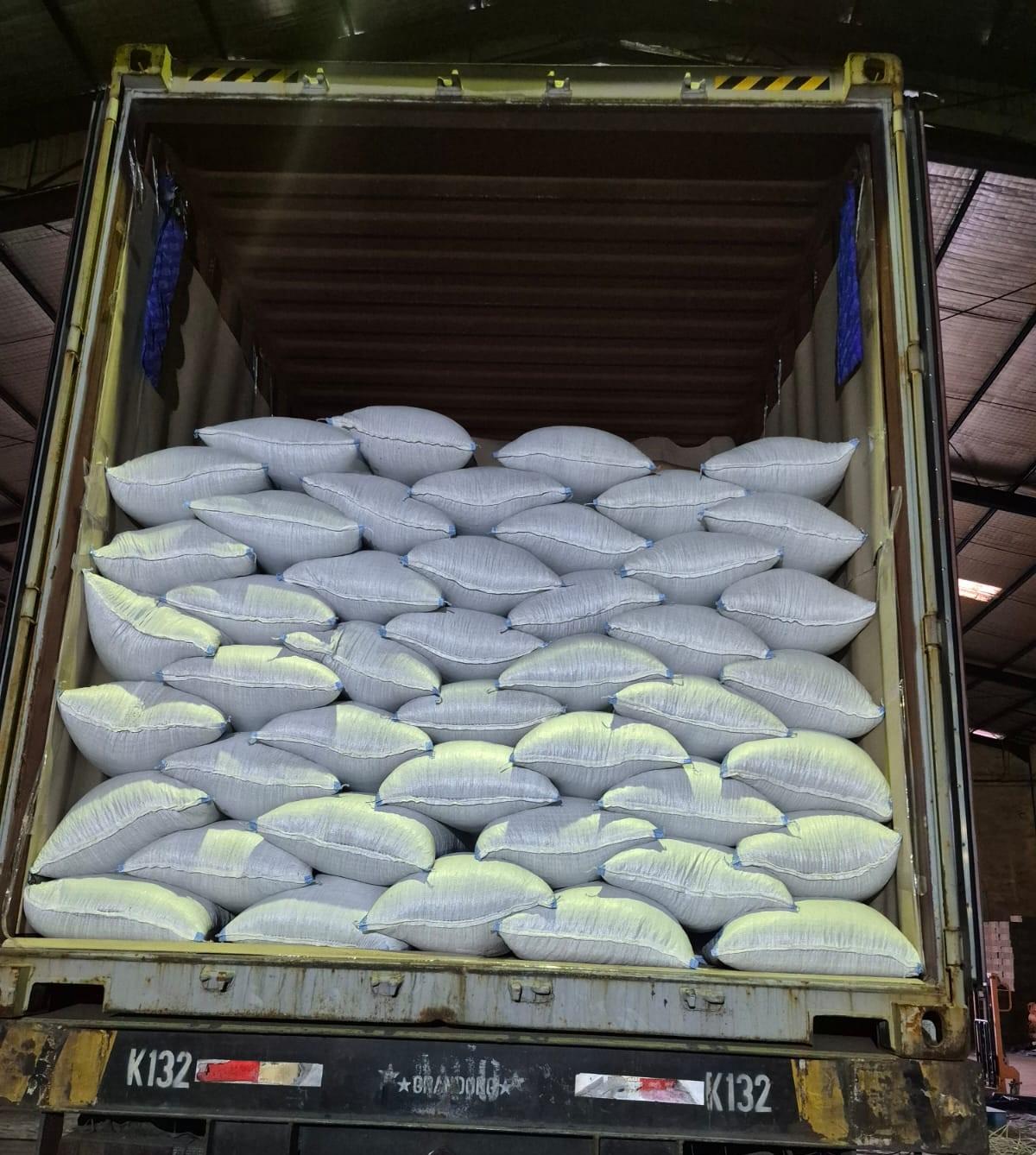
Areca nut, commonly known as betel nut, is a widely traded agricultural commodity with strong demand across Asia and emerging markets worldwide. As global consumption continues to grow, understanding the top importing countries for areca nut is essential for exporters looking to expand their reach and increase sales.
In this article, we explore the key markets, demand trends, and export opportunities for areca nut suppliers.
1. India – The Largest Areca Nut Importer
India is by far the largest importer and consumer of areca nut in the world.
Key Factors Driving Demand
- Cultural use in paan and traditional chewing
- High population consumption
- Strong domestic demand exceeding local production
India imports large quantities from Indonesia and other Southeast Asian countries to meet its growing needs.
2. Pakistan – Growing Import Market
Pakistan is another major importer with steadily increasing demand.
Market Characteristics
- Strong cultural consumption
- Expanding wholesale market
- Preference for dried and split areca nut
Pakistan offers a promising opportunity for exporters targeting South Asia.
3. Bangladesh – High Consumption Market
Bangladesh has one of the highest per capita consumption rates of betel nut.
Why Demand is Strong
- Daily consumption habits
- Large population base
- Limited domestic supply
This makes Bangladesh a consistent and reliable import market.
4. United Arab Emirates – Re-export Hub
The UAE plays an important role not only as a consumer but also as a distribution hub.
Market Advantages
- Strategic location for re-export
- Strong logistics infrastructure
- Access to Middle East and Africa
Exporters often use UAE as a gateway to other markets.
5. Sri Lanka – Stable Import Demand
Sri Lanka maintains steady demand for areca nut due to cultural consumption.
- Regular import volumes
- Preference for quality consistency
- Long-term supplier relationships
6. Emerging Markets in Africa
Several African countries are showing increasing interest in areca nut imports.
Growth Drivers
- Expanding trade networks
- Increasing awareness and consumption
- Competitive pricing from Indonesia
Although still developing, Africa represents a future growth opportunity.
7. Southeast Asia Regional Trade
Countries within Southeast Asia also contribute to regional trade flows.
- Cross-border trade
- Short shipping distances
- Flexible order volumes
Global Market Trends
The areca nut trade continues to evolve with several key trends:
- Increasing demand in South Asia
- Stable consumption in traditional markets
- Growing export opportunities in emerging regions
- Rising importance of consistent quality and supply
Opportunities for Exporters
For exporters, understanding these markets can help:
- Target the right buyers
- Adjust product specifications
- Optimize pricing strategies
- Expand international distribution
Conclusion
The global areca nut market is driven by strong demand from countries like India, Pakistan, and Bangladesh, while emerging markets offer new opportunities for expansion.
For exporters, focusing on high-demand regions and maintaining product quality is key to long-term success in international trade.