1. What is Betel Nut?
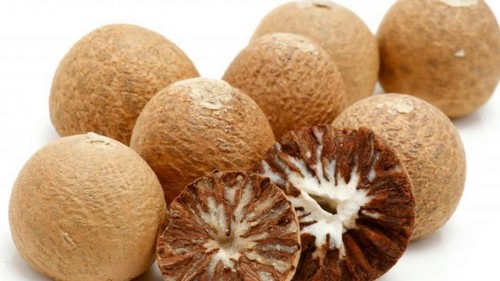
Betel nut, also known as areca nut, is the seed of the areca palm widely cultivated in tropical regions, including Indonesia. It is commonly used in many countries as a chewing product, traditional stimulant, and raw material for various processed goods.
Beyond consumption, betel nut also has applications in traditional medicine, agriculture, and small-scale industries.
2. Indonesia as a Leading Betel Nut Exporter
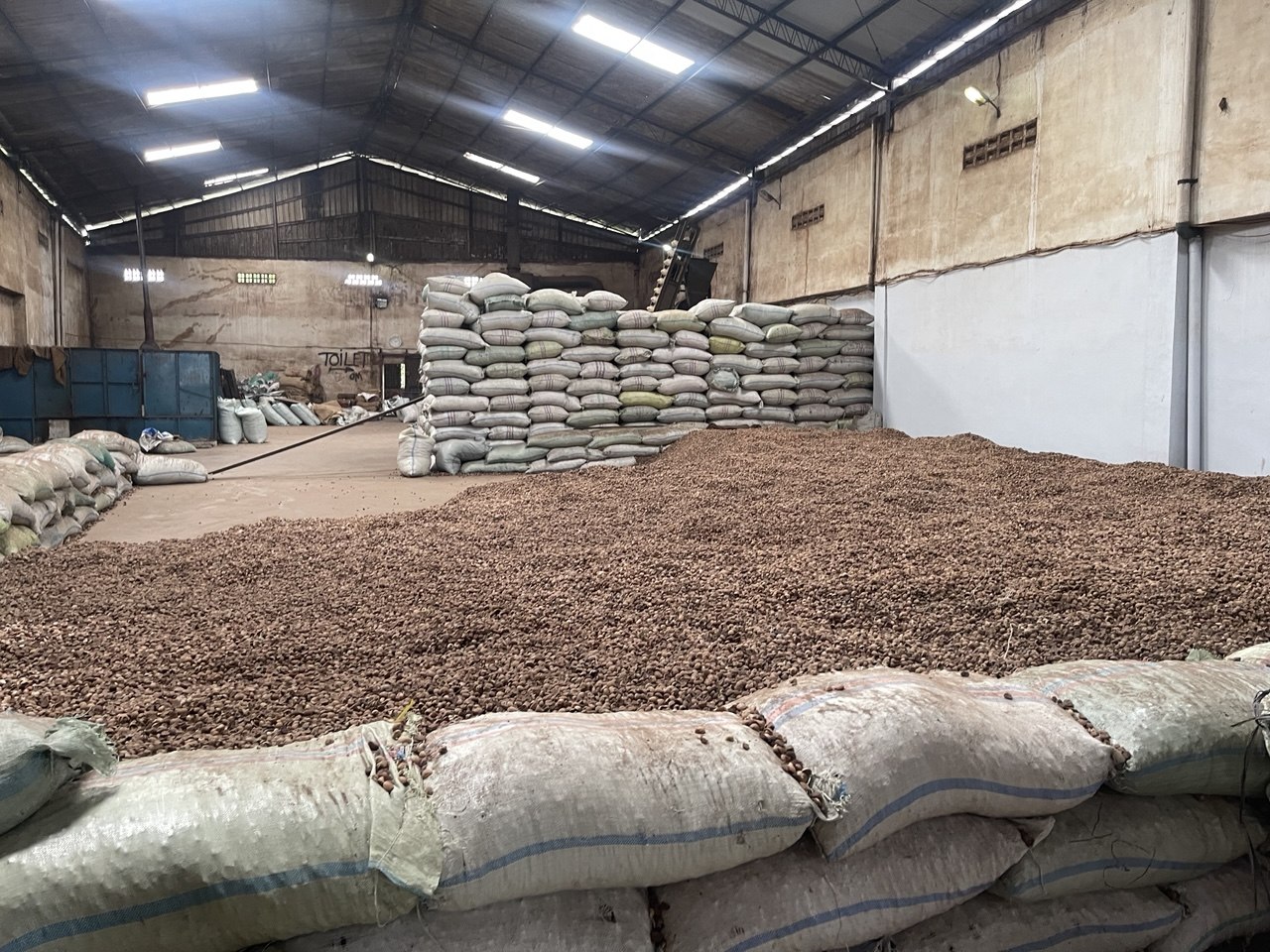
Indonesia has become one of the key global suppliers of betel nut. The country exports large volumes every year, supported by strong agricultural production and growing international demand.
Recent trade data shows:
- Over 2,100 export shipments annually
- Around 378 active exporters
- Supplying to nearly 500 international buyers
This positions Indonesia among the top exporters globally, competing with countries like India and Myanmar.
3. Major Export Destinations
Indonesian betel nut is mainly exported to:
- India
- Bangladesh
- Pakistan
- United Emirates Arab
- Malaysia
- China
- Middle East countries
These markets have strong cultural and commercial demand for areca nut products.
4. Key Production Areas in Indonesia
One of the largest production centers is:
- Medan (Sumatra) – major contributor to export supply
- Jambi (Sumatra) – major contributor to export supply
Other regions across Sumatra and Sulawesi also contribute significantly to national output.
5. Betel Nut Export Product Types
Indonesia exports several types of betel nut, including:
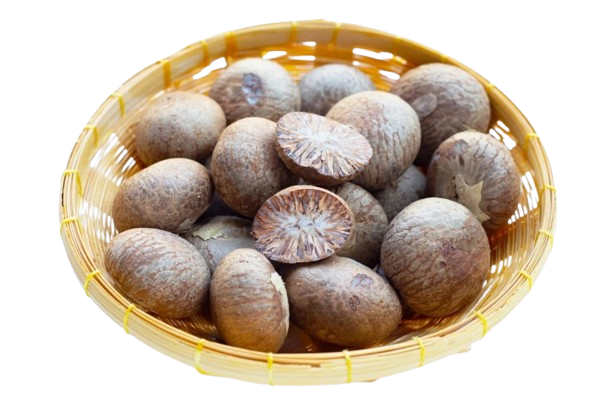
- Whole dried betel nut
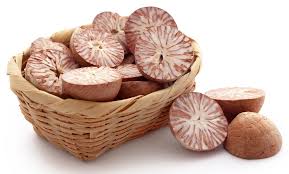
- Split betel nut
- Boiled or processed betel nut
- Sun-dried and machine-dried variants
Different markets demand different grades and processing methods.
6. HSN Codes for Betel Nut Export
Understanding HS/HSN codes is critical for export compliance. Common codes include:
- 08028000 – Areca nut (primary classification)
- 08028090 – Other processed forms
- 2106 / 21069030 – Prepared betel nut products
These codes are used for customs clearance, taxation, and trade documentation.
7. Export Documents Required
To export betel nut from Indonesia, exporters typically need:
- Commercial Invoice
- Packing List
- Certificate of Origin (CO)
- Phytosanitary Certificate
- Fumigation Certificate
These documents ensure compliance with international trade regulations.
8. Why Betel Nut Export is Growing
Several factors drive growth:
- Strong demand from South Asia
- Competitive pricing from Indonesia
- Expanding agricultural production
- Increasing global trade connectivity
Additionally, the industry supports rural farmers and local economies.
9. Conclusion
Betel nut export from Indonesia continues to grow as a significant agricultural trade sector. With strong global demand, reliable supply, and expanding exporter networks, Indonesia remains a strategic player in the international areca nut market.
For businesses, understanding export data, market demand, and compliance requirements is essential to succeed in this industry.